
This post contains affiliate links. Please see our disclosure policy.
This week I am sharing a Frankenstein recipe of sorts as I mashed up two things I cooked recently into one great recipe. A few weeks ago I posted a recipe for pork belly burnt ends, which is just cubed pork belly, smoked, and cooked in BBQ sauce. Earlier this week I had the pleasure of cooking on my wok indoors and made a really good version of Kung Pao chicken. For this recipe, I combined the low and slow method of pork belly burnt ends with the sauce from the Kung Pao chicken recipe all on my Big Green Egg. Understanding how to make Smoked Kung Pao Pork Belly Burnt Ends is the perfect way to bring that high-heat wok flavor to the ceramic grill.
What makes this combination so successful is how the rendered fat of the pork belly carries the spicy, numbing heat of the Sichuan-style glaze. While traditional BBQ burnt ends are sweet and heavy, this version offers a bright and savory profile that is truly addictive. This recipe for Smoked Kung Pao Pork Belly Burnt Ends: Big Green Egg Recipe could not be any easier to follow, and the results are guaranteed to impress any crowd. Now sit back, grab a nice glass of Riesling, and enjoy this post for the ultimate wood-fired fusion dish.
Table of Contents
- Step 1: Trimming and Cubing the Pork Belly
- Step 2: The Binder and Seasoning Application
- Step 3: Big Green Egg Setup and Smoking
- Step 4: The Low-and-Slow Smoke and Moisture Management
- Sourcing Your Ingredients: The Key to Authentic Flavor
- Step 5: The Mise en Place for the Kung Pao Sauce
- Step 6: Sautéing the Aromatics
- Step 7: The Final Toss and Glaze
- Step 8: The Final Braise and Glaze
- Final Serving and Plating
- Smoked Kung Pao Pork Belly Burnt Ends: Big Green Egg Recipe
Get My NEW Book
The Ultimate Big Green Egg Cookbook
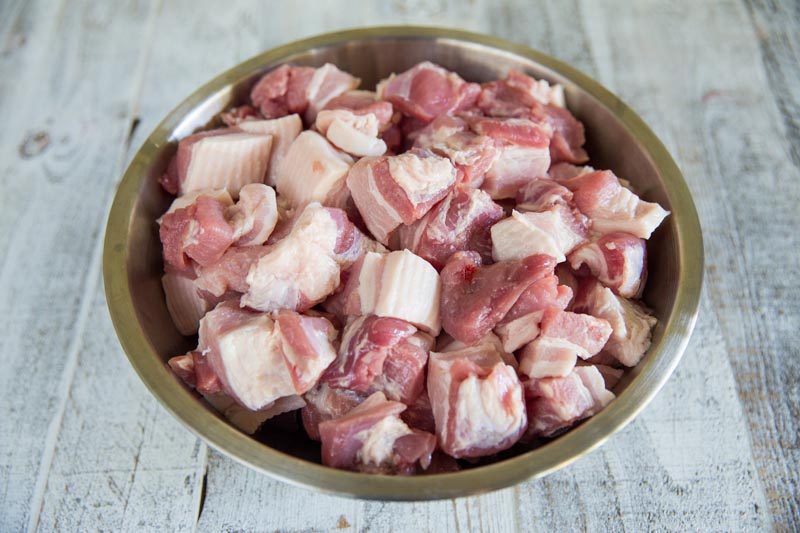
Step 1: Trimming and Cubing the Pork Belly
Success with this recipe starts with a well-prepped piece of meat to ensure every bite renders at the same rate. By taking the time to properly clean the belly before it hits the heat, you guarantee a professional texture in the final dish. This process provides a clean canvas for the smoke and the spicy Kung Pao glaze to adhere to.
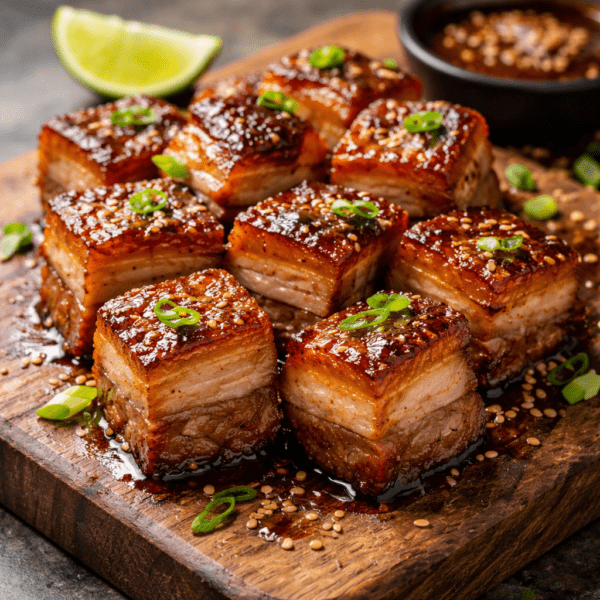
Start by cleaning your slab of pork belly, trimming any excess hanging fat and any silver skin remaining on the surface. Once the slab is clean, cube the pork belly into uniform 2-inch pieces. Because these cubes will shrink slightly during the long smoke on the Big Green Egg, starting with a 2-inch cut ensures you have a substantial, meaty bite in the end. After you have finished cubing the entire slab, you are ready to apply the dry rub and prepare for the wood-fired portion of the cook.

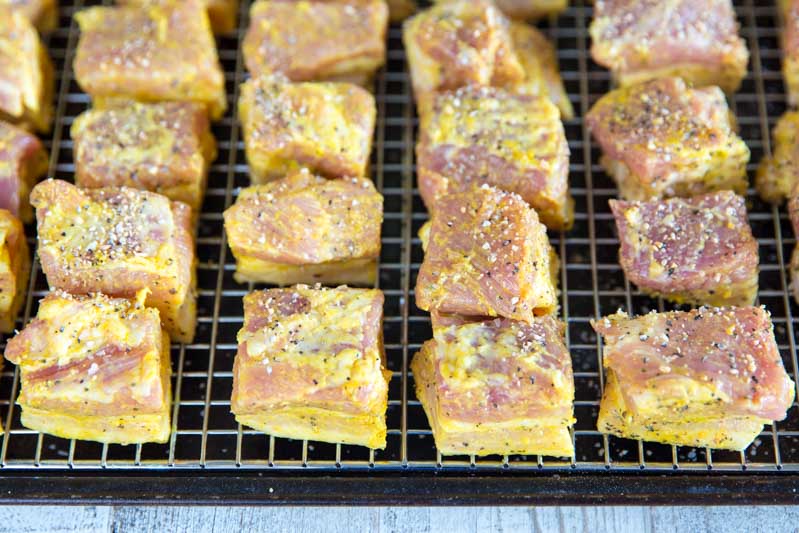
Step 2: The Binder and Seasoning Application
Creating a robust bark on pork belly requires a tacky surface for the dry rub to adhere to during the smoking process. By using a thin layer of yellow mustard as a binder, you ensure that the seasoning stays in place without affecting the final flavor profile of the meat. This process provides a consistent crust that will eventually grab onto the sticky Kung Pao glaze.
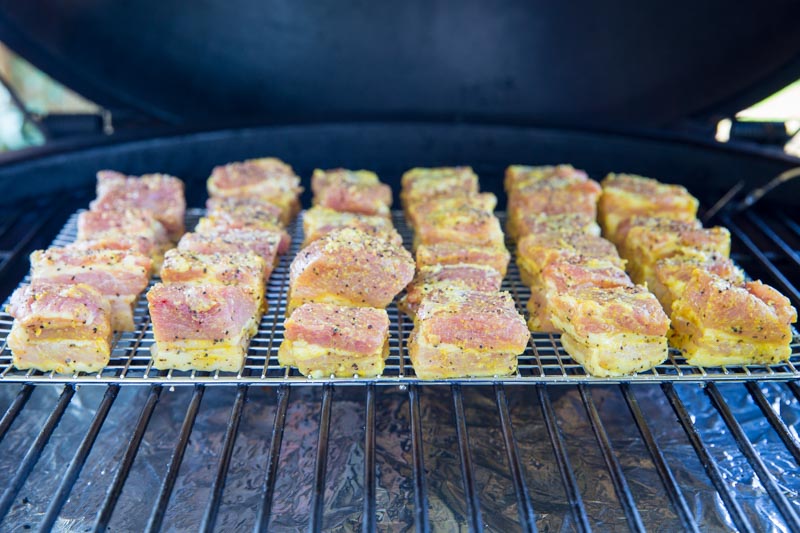
Toss the pork belly cubes in a little yellow mustard for the base and then sprinkle with a mixture of kosher salt, coarse black pepper, and garlic powder. Ensure every side of each cube is well-coated to guarantee maximum flavor in every single bite. Once the meat is seasoned, set the cubes on a wire rack and start to prep your Big Green Egg for indirect cooking. Because the wire rack allows you to move all the pieces at once, you will maintain better temperature control throughout the duration of the cook.
Step 3: Big Green Egg Setup and Smoking
Achieving a clean smoke profile is essential when you are working with the rich, fatty nature of pork belly. By setting up your Egg for indirect cooking, you allow the heat to circulate evenly around each cube without the risk of flare-ups from dripping fat. This setup provides a stable environment that slowly renders the pork until it reaches a buttery consistency.
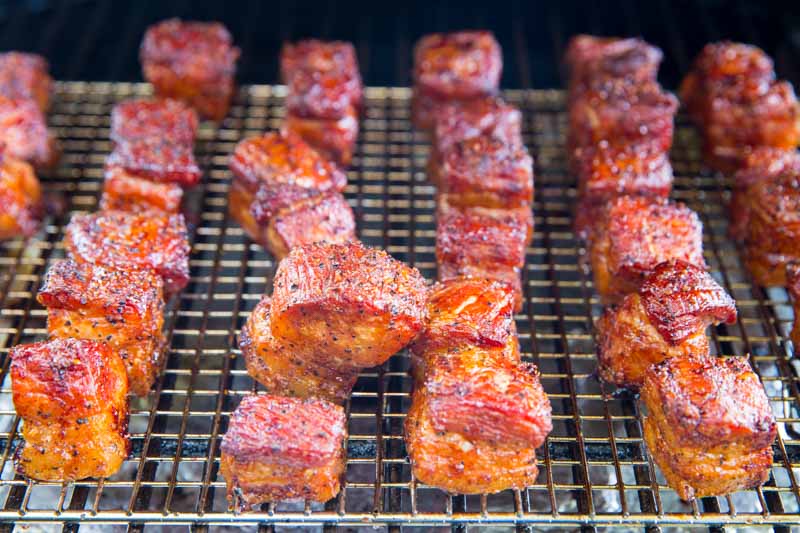
Set your Big Green Egg up for indirect cooking using the ConvEGGerator and a few chunks of hickory wood for a robust, traditional flavor. Get the temperature up to 275°F and wait for the smoke to thin out before putting your pork belly inside. Because you are keeping the meat on the wire rack, you can quickly place the entire batch on the grill grate to minimize heat loss. Close the dome and let the cubes smoke for approximately three hours or until the bark is dark and the fat has begun to soften. Once the exterior has reached a beautiful mahogany color, you are ready to move on to the braising and glazing phase of the cook.
Step 4: The Low-and-Slow Smoke and Moisture Management
Maintaining a consistent level of humidity within the Big Green Egg is the secret to achieving a tender, succulent interior. By periodically spraying the meat, you prevent the outer edges from drying out while the internal fat continues to render. This process provides the foundation for the “meat candy” texture that makes this recipe for Smoked Kung Pao Pork Belly so successful.
Let the pork belly smoke in this environment for approximately three hours or until the internal temperature reaches 190°F. Use a spray bottle to spritz the pork pieces every hour with apple juice to help keep them moist and to build a tacky surface for the glaze. This light coating of sugar from the juice also aids in the caramelization process, creating a deeper color on the bark. Because every slab of pork belly varies in fat content, use a reliable instant-read thermometer to check the temperature of several different cubes. Once the meat hits the target temperature, you are ready to pull the rack and move into the final glazing phase.
Sourcing Your Ingredients: The Key to Authentic Flavor
Finding the traditional Chinese ingredients for this recipe is worth the effort to get that authentic, wood-fired taste. By using specific staples like Shaoxing wine, Sichuan peppercorns, Chinese black vinegar, and Sichuan fermented chili-bean paste, you create a complex flavor profile that simply cannot be replicated with standard grocery store substitutions. This process provides the essential numbing heat and deep umami that define a true Kung Pao dish. I was able to find all of these on Amazon, and you can find the direct links above to save yourself the search.
In addition to these specialized items, you will need several pantry and produce staples to complete the glaze. Make sure you have plenty of sugar, cornstarch, garlic, green onion, and fresh ginger on hand for the aromatic base. You will also need peanut oil for its high smoke point and leeks to provide a mild, onion-like sweetness to the final toss. Once you have gathered all your ingredients, you are ready to assemble the sauce and finish your Smoked Kung Pao Pork Belly Burnt Ends on the Big Green Egg.

Step 5: The Mise en Place for the Kung Pao Sauce
Preparing your ingredients ahead of time is the most critical part of any stir-fry or glazed dish. By having every component measured and ready, you prevent the sauce from burning or clumping once it hits the heat of the Big Green Egg. This process provides a smooth workflow that allows you to focus on the final caramelization of the pork belly.
I mixed the Shaoxing wine, Chinese black vinegar, Sichuan fermented chili-bean paste, and cornstarch together in a small bowl until the mixture was completely smooth. This slurry acts as the thickening agent and the flavor base for the entire recipe. I crushed the Sichuan peppercorns and mixed them with the sliced green tops of the onions to create a fragrant topping. I also sliced the leeks and minced the garlic and ginger to ensure they were ready for the quick sauté. Once you have all these components staged, you are ready to combine the smoky pork with the bold aromatics of the East.

Step 6: Sautéing the Aromatics
Building a complex flavor profile for your Smoked Kung Pao Pork Belly Burnt Ends starts with a high-heat sauté of the fresh aromatics. While you can certainly use a cast iron pan or a wok directly on the Big Green Egg, I chose to perform this step on the stovetop for better heat control. This process provides a fragrant and savory base that will eventually wrap around the smoky pork belly cubes.
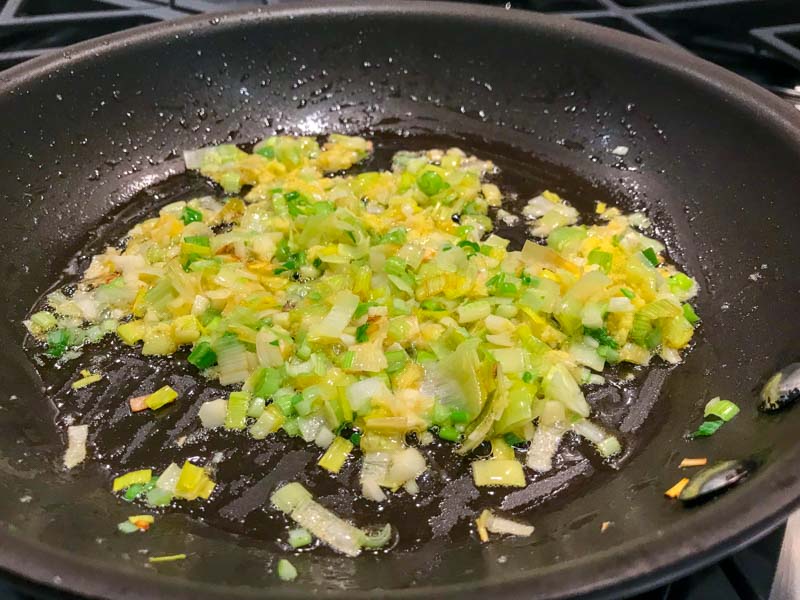
In a hot pan on the stove, I placed the peanut oil and added the sliced leeks, the white parts of the green onions, the minced garlic, and the ginger. I sautéed these ingredients until they were translucent and incredibly fragrant, which typically takes about two minutes over medium-high heat. Because peanut oil has a high smoke point, it allows you to achieve a quick sear on the aromatics without the oil breaking down or burning. Once the kitchen is filled with the scent of toasted ginger and garlic, you are ready to incorporate the liquid glaze components and head back out to the grill.
Step 7: The Final Toss and Glaze
Combining the wood-fired richness of the pork with the bold, aromatic sauce is the most rewarding part of the entire cook. By mixing the sautéed ginger, garlic, and leeks directly with the smoked pork belly, you ensure that every cube is infused with the bright flavors of the East. This process provides the sticky, high-gloss finish that defines the “meat candy” texture of a perfect burnt end.
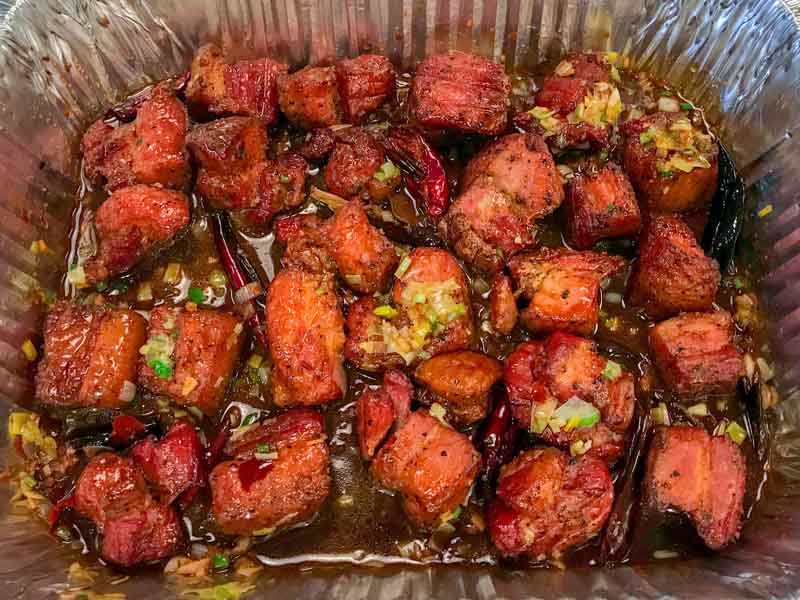
I mixed the sautéed aromatics in with the smoked pork belly and covered the entire batch in the prepared Kung Pao sauce. Once every piece was thoroughly coated, I returned the pan to the Big Green Egg for another fifteen to twenty minutes to allow the sauce to tighten and caramelize. Because the cornstarch in the mixture reacts with the heat, it transforms into a thick, savory glaze that clings to the bark of the pork. You will know they are ready when the edges of the pork belly begin to char slightly and the sauce becomes a deep, translucent mahogany.
Step 8: The Final Braise and Glaze
Achieving the perfect, fork-tender consistency requires a short braising period to marry the smoky pork with the bold Kung Pao flavors. By covering the pan with foil, you trap the steam and moisture, which allows the rendering fat to fully absorb the savory notes of the fermented chili-bean paste. This process provides the succulent, melt-in-your-mouth interior that makes Smoked Kung Pao Pork Belly Burnt Ends a standout dish.
I placed the pork belly, aromatics, and sauce back in the Big Green Egg after covering the aluminum pan tightly with foil. This mixture cooked for an additional 45 minutes until the sauce was nice and thick and the pork was probing like room-temperature butter. Because the cornstarch and sugars in the sauce need consistent heat to thicken, keeping the dome closed on your Big Green Egg is essential during this final stage. Once the timer sounds, remove the foil and give the cubes one final toss to ensure they are completely coated in the glossy, mahogany glaze.

Final Serving and Plating
Presenting your Smoked Kung Pao Pork Belly Burnt Ends is the final step in this wood-fired journey. After the long braise, the pork is incredibly tender and the sauce has reached a perfect, mirror-like glaze. By pairing the rich, fatty pork with a clean and cooling base, you balance the intense heat and umami of the Sichuan aromatics. This process provides a complete, restaurant-quality meal that highlights the versatility of the Big Green Egg.
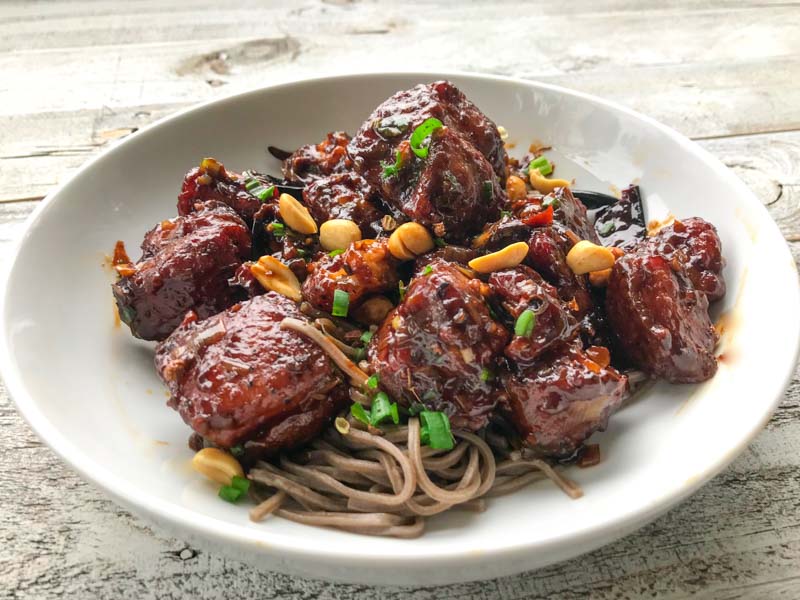
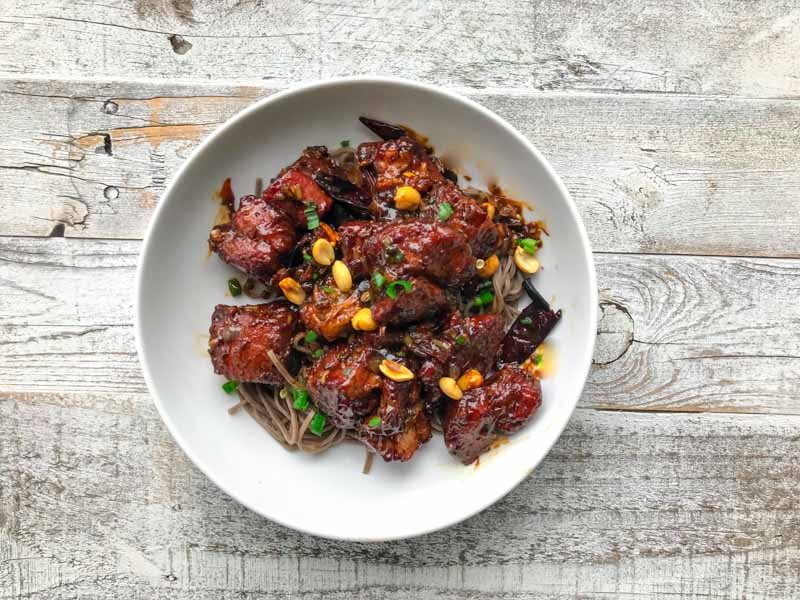
I served the Kung Pao pork belly over Korean buckwheat noodles to add a nutty, earthy foundation to the dish. The chewiness of the noodles acts as the perfect vehicle for the leftover sauce and the softened leeks. Before serving, garnish the plate with the crushed Sichuan peppercorns and the sliced green onion tops to add a final layer of tingly heat and fresh color. This dish was so worth the wait and is one I will certainly make again and again!
Storage and Leftovers
If you happen to have any leftovers, these burnt ends store exceptionally well and make for an incredible lunch the following day. Place the pork and sauce in an airtight container and keep them in the refrigerator for up to four days. Because the fat in the pork belly solidifies when cold, I recommend reheating them gently in a small skillet over low heat with a splash of water or Shaoxing wine to loosen the glaze.
- The Kung Pao Bowl: Reheat the pork and serve it over steamed jasmine rice with a side of charred bok choy.
- Asian-Style Tacos: Shred the leftovers and place them in warm corn tortillas with a quick slaw made of cabbage, lime, and cilantro.
- The Fusion Slider: Serve a few cubes on a toasted brioche bun with a dollop of spicy mayo and pickled cucumbers.
Smoked Kung Pao Pork Belly Burnt Ends: Big Green Egg Recipe
Ingredients
- 1 1/2 pounds pork belly, cubed
- Yellow mustard, for slather
- 2 Tbs Kosher Salt
- 2 Tbs Black Pepper
- 1 Tbs Garlic Powder
- Sauce:
- 4 Tbs soy sauce
- 1 Tbs Chinese black vinegar, or distilled white vinegar if unavailable
- 1 Tbs cornstarch
- 1 Tbs Sambal Oelek
- 1/3 cup peanut oil
- 2 small leeks, white and light green parts only, cut into ¼-inch slices (about ½ cup total)
- 3 scallions, whites finely minced, and greens finely sliced, reserved separately
- 2 cloves minced garlic
- 1 Tbs fresh ginger, minced
- 4 Tbs Shaoxing wine, or dry sherry, if unavailable
- 2 Tsp sugar
- Garnish:
- 1 Tbs Sichuan peppercorns toasted in hot skillet for 30 seconds until fragrant, ground using mortar and pestle
- 1/2 cup roasted unsalted peanuts
- Reserved green parts from scallions
- 12 hot Chinese dry chili peppers, seeded
Instructions
- Cube the pork belly into 1″ pieces
- Cover with a base (I used mustard) and season with Salt, Pepper, and garlic powder mixture
- Set your smoker to 275° using Hickory for the smoking wood
- Set your pork belly inside the smoker on a wire rack for 3 hours or until they measure 190°
- You can spray the pork belly every hour with apple juice to keep moist
- After 3 hours (or 190°) pull the pork belly and set aside
- Mix the soy sauce, vinegar, cornstarch sambal oelek, Shaoxing wine, and sugar together and set aside.
- Saute’ the leeks, green onion bottoms (white parts), garlic, and ginger in peanut oil until fragrant (1-2 minutes)
- Put pork belly in aluminum pan and cover with aromatics and sauce
- Cover and place back in your smoker for 30-60 minutes (or until the sauce thickens)
- Toss everything with the Sichuan peppercorns, tops of green onions, and peanuts
- Serve over rice or noodles
Nutrition information is automatically calculated, so should only be used as an approximation.





re: recipe for Kung Pao Smoked Belly
1. ingredients that will be prepared together should be listed together under Ingredients
2. ingredients sugar and Cheese dry peppers are not in instructions
3. pork belly in picture are obviously bigger than 1 inch, they don’t fall through the rack
I figured it out but some people may not. It’s still in the smoker so I don’t know about the taste yet but the smell is wonderful.
I could figure it out some people may not. It
Thanks for the comment and great feedback. I will adjust now 🙂
Did you remove the actual outer skin from the pork belly as part of the initial trimming/silver skin removal? I reckon that could have a major impact on the final product. That said, I look forward to trying this!
Great question! Yes remove the skin if you get a skin on piece of belly. I think (rather hope) that I spell that out in this post? This piece came from Costco where the skin was already removed.