
This post contains affiliate links. Please see our disclosure policy.
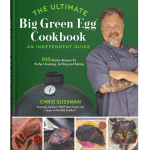
Mastering the art of the “turbo smoke” is a total game changer for any backyard pitmaster looking to save time without sacrificing quality. While traditional low and slow methods often take all day, learning How to Turbo Smoke Beef Back Ribs on the Big Green Egg allows you to achieve tender results in a fraction of the time. By increasing the cooking temperature to a steady 325°F, you render the fat and break down the connective tissue much faster than at lower heats. This process provides a beautiful mahogany crust and a rich, beefy flavor that rivals any long-haul barbecue session.
For this cook, we are focusing on beef back ribs, which are the flavorful bones removed from a prime rib roast. Because these ribs contain the most marbled and tender meat found between the bones, they are the perfect candidate for a high-heat smoke. You should focus on creating a consistent convection flow within your ceramic grill to ensure the ribs cook evenly throughout the shortened timeframe. This technique utilizes the superior heat retention of the Big Green Egg to lock in moisture while the exterior develops a professional-grade bark. Now grab a cold stout, settle into your favorite chair, and follow our guide for How to Turbo Smoke Beef Back Ribs on the Big Green Egg.
Table of Contents
- Step 1: Understanding Beef Back Ribs vs. Short Ribs
- Step 2: Applying the Binder and the Ancho Espresso Rub
- Step 3: Big Green Egg Setup and the Turbo Smoke
- Step 4: The Foil Wrap and Beer Braise
- Step 5: The Final Mop and Glaze
- Step 6: Pulling and Resting the Beef Ribs
- Final Thoughts on Turbo Smoked Beef Ribs
- How to Turbo Smoke Beef Back Ribs on the Big Green Egg Recipe
Get My NEW Book
The Ultimate Big Green Egg Cookbook
Step 1: Understanding Beef Back Ribs vs. Short Ribs
Understanding the specific cut of meat is the first step in learning How to Turbo Smoke Beef Back Ribs on the Big Green Egg. While many backyard cooks are familiar with pork ribs, beef ribs generally come in two distinct varieties: Back Ribs and Short Ribs. By identifying the differences between these cuts, you can better manage your expectations for texture and cooking times. This process provides the clarity needed to select the best bones for a fast, high-heat smoke session.
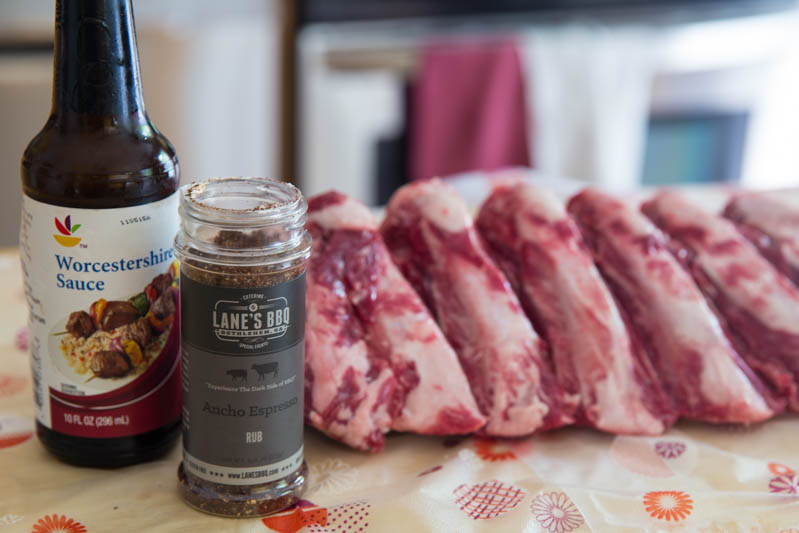
Beef Back Ribs are the bones removed from a Prime Rib or Ribeye roast, which means the meat is located primarily between the bones rather than on top. While Short Ribs are known for their thick layers of fat and meat, Back Ribs offer a more tender and marbled bite that responds beautifully to the “turbo” method. Because these ribs are a byproduct of the high-end rib roast, they are often more affordable and easier to find at your local butcher or grocery store. You should look for racks that have plenty of meat left between the bones and a clean, red color. This technique allows you to enjoy the rich, beefy flavor of a ribeye in a fun, handheld BBQ format.
Step 2: Applying the Binder and the Ancho Espresso Rub
Preparing your beef back ribs for the smoke requires a simple yet effective approach to ensure the seasoning adheres throughout the cook. By applying a light coating of Worcestershire sauce as a binder, you provide a tacky surface for your spices while adding a layer of savory umami. This process provides a deep foundation of flavor that enhances the natural richness of the beef during the high-heat roasting cycle. You should focus on coating the entire rack to ensure the bark develops evenly across every bone.
Once the binder is in place, you should generously apply the Lane’s BBQ Ancho Espresso Rub for a bold and earthy finish. While this specific blend offers a perfect balance of bitter coffee and mild chili heat, you can also create a similar profile with common pantry staples. Because the “turbo” method thrives on a robust crust, you can substitute a mixture of finely ground espresso, dark chili powder, brown sugar, and kosher salt. You should allow the seasoned ribs to rest for at least one hour until the meat reaches room temperature. This technique ensures the spices penetrate the surface and form a professional-grade bark on the Big Green Egg.
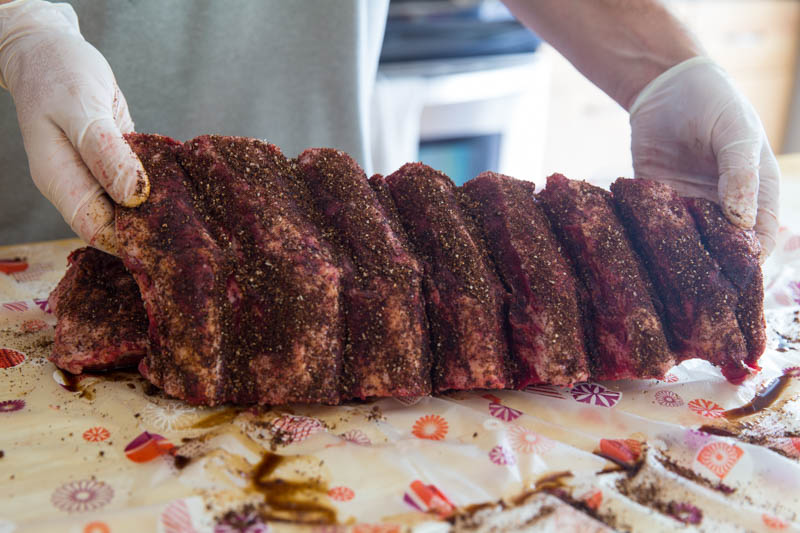
Step 3: Big Green Egg Setup and the Turbo Smoke
Mastering the “turbo” technique requires a precise indirect configuration to prevent the high heat from scorching the delicate beef back ribs. By preheating the Big Green Egg to a steady 325°F with the convEGGtor in place, you create a powerful convection oven effect. This process provides the intense ambient heat necessary to render the fat and soften the connective tissue in a shortened timeframe. You should include a few large chunks of pecan wood to infuse the beef with a sweet and nutty smoke profile.
While the ceramic walls of the Egg stabilize at the target temperature, you should place the seasoned ribs directly on the grate for the initial smoke. Because the “turbo” method moves much faster than a traditional cook, you will only need to smoke the ribs for a little over an hour to establish the bark. You should monitor the airflow carefully to ensure the temperature does not spike beyond the desired range. Once the exterior develops a dark and crusty mahogany finish, the ribs are ready for the next phase of the cook. This technique ensures that your beef back ribs carry a professional wood-fired flavor despite the accelerated cooking schedule.
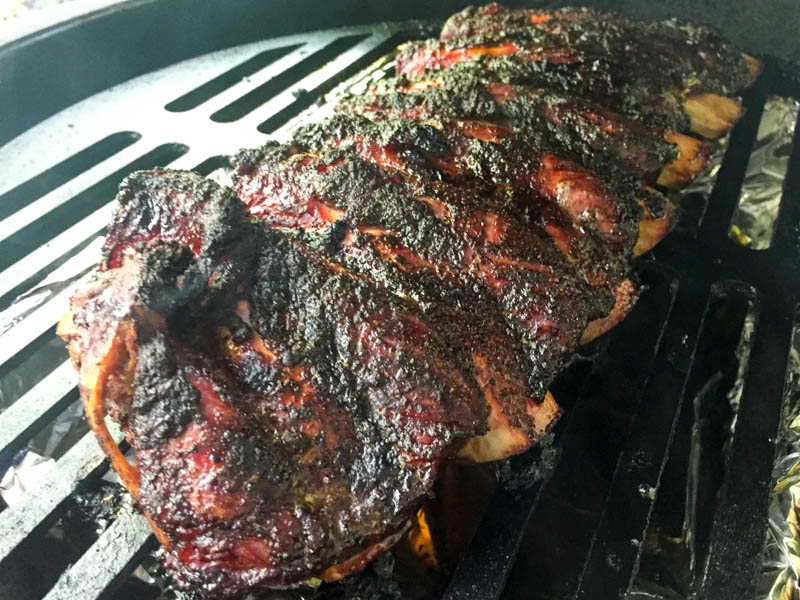
Step 4: The Foil Wrap and Beer Braise
Achieving the perfect level of tenderness in a shortened timeframe requires a transition from dry smoke to a moist braise. By placing the beef back ribs in heavy-duty aluminum foil once a dark crust has formed, you begin the steaming phase of the cook. This process provides the intense humidity needed to break down any remaining toughness in the marbled meat. You should drizzle the bones with a thin layer of honey and add a splash of your favorite beer to create a rich and flavorful liquid bath.
While the honey provides a subtle sweetness to balance the bitter espresso, the beer adds a deep maltiness that complements the beefy profile. Because the “turbo” method uses a steady 325°F, the ribs will only need another hour or so in the foil to reach peak tenderness. You should wrap the foil tightly to ensure no steam escapes, which maintains the internal temperature of the meat. Once the bones are sealed, you should place the package back on the Big Green Egg and close the dome. This technique ensures that your beef back ribs are as succulent as a slow-smoked brisket in half the time.
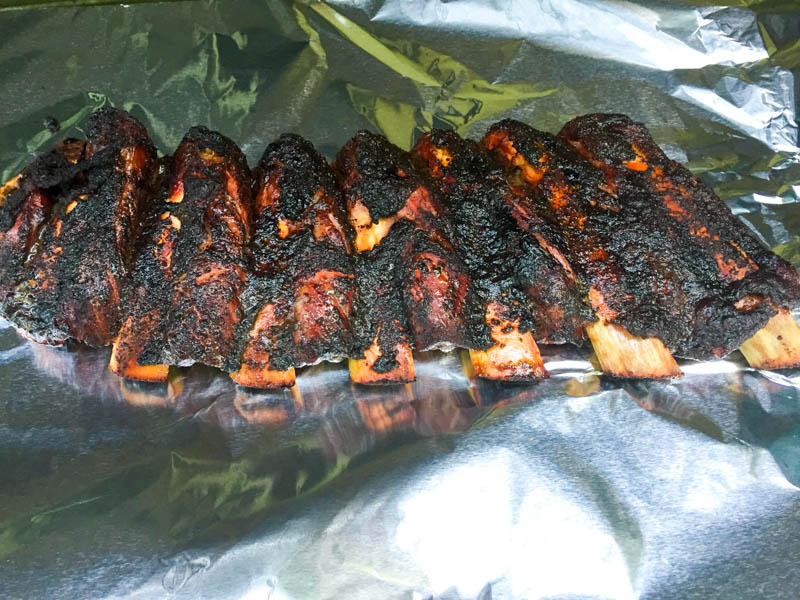
Step 5: The Final Mop and Glaze
Achieving a professional, glossy finish on your beef back ribs requires a final layer of moisture and sugar. By removing the ribs from the foil after they reach peak tenderness, you prepare the exterior for a quick and savory mop. This process provides a sticky, caramelized coating that balances the earthy ancho chili and bitter espresso notes. You should combine a splash of beer with a sweet BBQ sauce and the rich meat drippings collected from the foil to create your signature glaze.
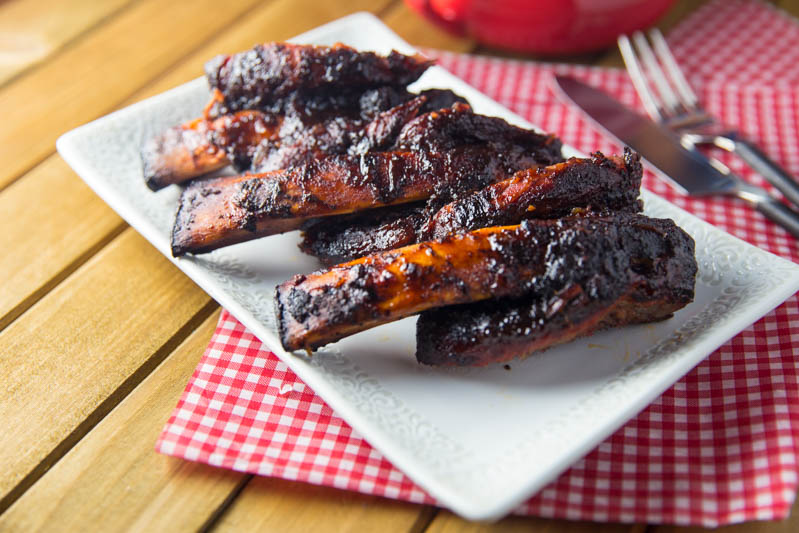
While the meat is still piping hot, you should brush the mixture generously over the rack and return it to the Big Green Egg for ten minutes. Because the grill is still holding a steady 325°F, the sauce will set and tack up quickly without burning. You should monitor the ribs closely during this final stage to ensure the sugars in the glaze do not over-caramelize. Once the sauce begins to bubble and the bark looks dark and mahogany, the ribs are ready to be pulled from the heat. This technique ensures your wood-fired beef carries a deep, complex flavor with a perfect handheld presentation.
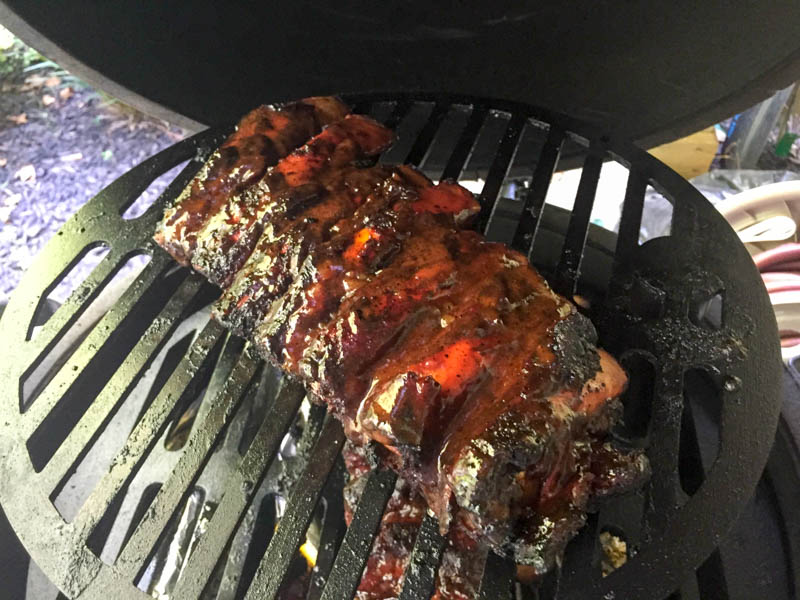
Step 6: Pulling and Resting the Beef Ribs
Capturing the ideal texture for your “turbo” smoke requires one final moment of patience before you slice into the rack. By pulling the ribs from the Big Green Egg and letting them rest for approximately ten minutes, you allow the internal juices to redistribute through the meat. This process provides a more succulent and moist bite that is characteristic of a high-quality prime rib roast. You should place the rack on a warm cutting board and loosely tent it with foil to maintain the serving temperature.
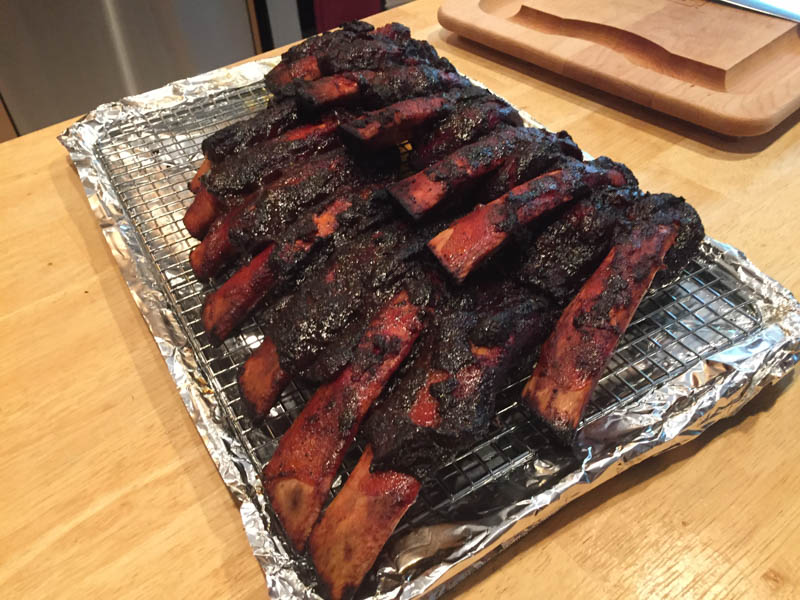
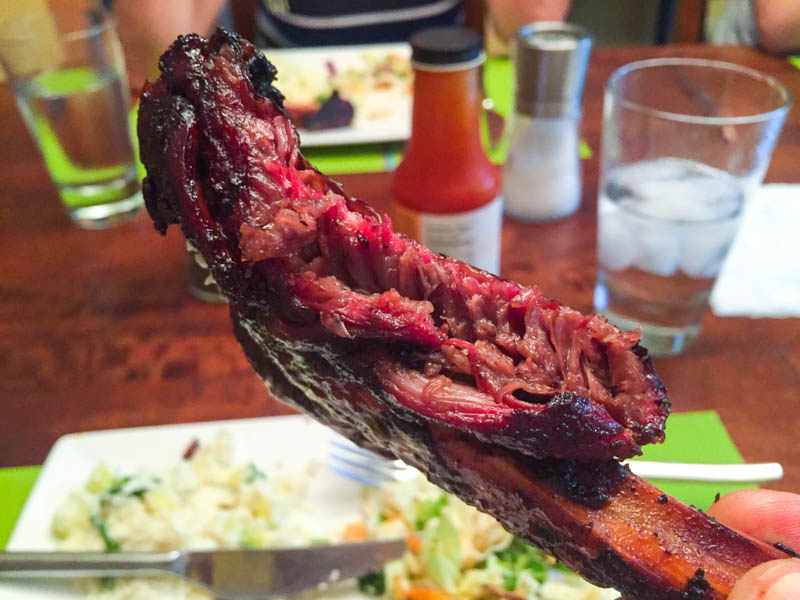
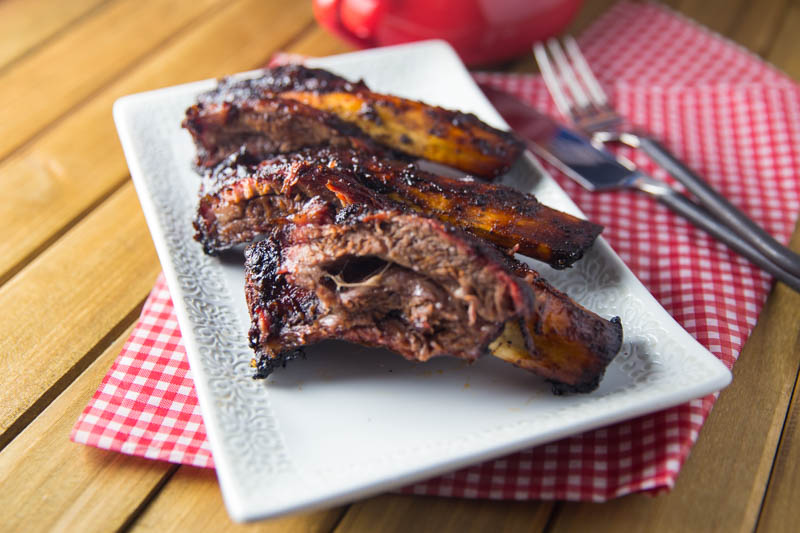
Once the rest is complete, you should slice between the bones to reveal the tender, marbled meat that makes this cut so special. While the ancho espresso crust provides the initial kick, the beer and honey braise ensures a melt-in-your-mouth experience. Because you utilized the “turbo” method, you have produced a world-class BBQ meal in less than three hours total. You should serve these ribs immediately while the bark is still crisp and the glaze is tacky. This technique ensures your guests enjoy the full intensity of the smoke and the rich, beefy profile of the back ribs.
Final Thoughts on Turbo Smoked Beef Ribs
Achieving a world-class bark in a fraction of the traditional time is the true reward of this high-heat method. By balancing the earthy heat of the ancho chili with the deep bitterness of the espresso, you create a sophisticated crust on the beef back ribs. This process provides a complex flavor profile that hits every note on the palate from sweet and spicy to savory and rich. You should expect a succulent, melt-in-your-mouth texture that rivals any slow-smoked brisket you have ever produced.
While the “turbo” technique accelerates the cook, the quality of the wood-fired smoke remains unmistakably authentic. Because the beef back ribs are naturally marbled, they handle the higher 325°F temperature with ease and stay incredibly moist. You should notice how the beer and honey braise softens the bite while the espresso rub provides a dark, professional-grade finish. This technique allows you to serve a championship-caliber meal on a tight schedule without sacrificing a single ounce of flavor. Whether you use a signature blend like Lane’s or your own pantry mix, these ribs are guaranteed to be a hit at your next backyard gathering.
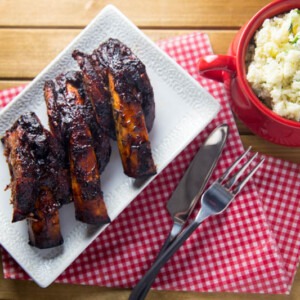
How to Turbo Smoke Beef Back Ribs on the Big Green Egg
Ingredients
- 1 rack Beef Back Ribs, approx. 3-4 lbs
- 2 tbsp Worcestershire sauce
- 1/2 cup Lane’s BBQ Ancho Espresso Rub, or similar coffee-based rub
- t tbsp Honey
- 1/4 cup Beer, Stout or Porter recommended
- 1/2 cup BBQ Sauce, Sweet Baby Ray’s or your favorite
Instructions
- Rub the beef ribs with Worcestershire sauce
- Cover the ribs with Lane’s BBQ Ancho Espresso Rub
- Let rest for an hour until the ribs are room temp
- Preheat your BGE to 325° and set for indirect cooking
- Place the ribs inside and let cook for 1 hour and 15 minutes
- Pull out the ribs and place in to aluminum foil with a squeeze of honey and a splash of beer
- Put the ribs (in the foil) back in the BGE for another 1 hour and 15 minutes
- Pull the ribs out of the foil and mop with a little beer, bbq sauce, and meat drippings from the foil
- Put the ribs back in the BGE for 10 minutes
- Pull the ribs and let them rest for 10 minutes
- Slice and serve
Nutrition information is automatically calculated, so should only be used as an approximation.




The foreword says to preheat to 325° yet the directions say 350°…. Which one is it?
325°F. Good catch. Updated.
These are insane just like your shoulder recipe. Thank you. Brisket is next. I’ll keep you posted
Thank you 🙏