
This post contains affiliate links. Please see our disclosure policy.
I absolutely love Cuban sandwiches. In fact, whenever I go out to eat, if there is a Cuban sandwich on the menu, I have to order it… EVERY TIME. That has presented a problem for me since relocating to Gulfport, Florida, this winter. Tampa is where this sandwich was created, and it seems like everyone here has their own version on the menu. I guess there are worse problems to have!
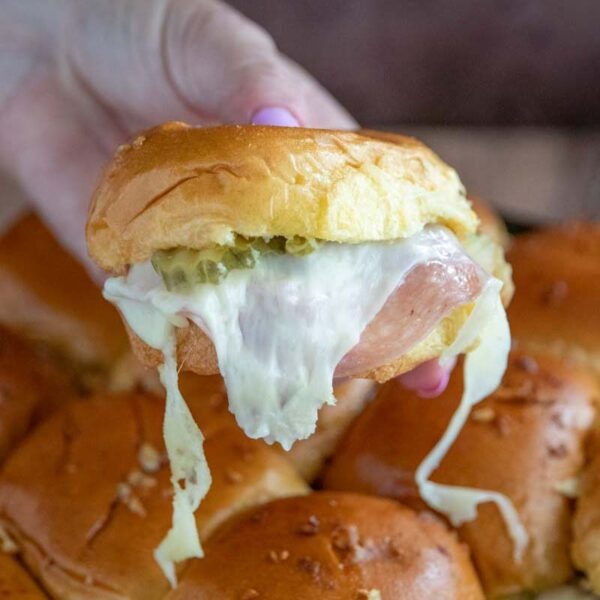
If you haven’t had a Cuban sandwich before, they are comprised of sliced ham, dill pickles, Swiss cheese, yellow mustard, and Cuban bread, all pressed to perfection. However, the most important ingredient is the Cuban Roast Pork. To create a truly magical sandwich, I had to learn how to make Cuban Roast Pork on the Big Green Egg.
Mastering this traditional Lechon Asado is the secret to a great sandwich, and doing it over charcoal adds a layer of flavor you just can’t get in an oven. Now sit back, grab an ice-cold Jai Alai IPA, and enjoy this guide to making the ultimate Cuban Roast Pork on the Big Green Egg.
Table of Contents
- Step 1: The Mojo Marinade
- Step 2: Preparing the Mojo Basting Sauce
- Step 3: Setting Up the Big Green Egg
- Step 4: The Roast and Basting Schedule
- Step 5: The Push to 200°F
- Step 6: The Rest and the Reveal
- From Roast to Legend: The Ultimate Cuban Sandwich
- How to Make Cuban Roast Pork on the Big Green Egg Recipe
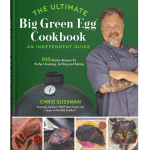
Get My NEW Book
The Ultimate Big Green Egg Cookbook
Step 1: The Mojo Marinade
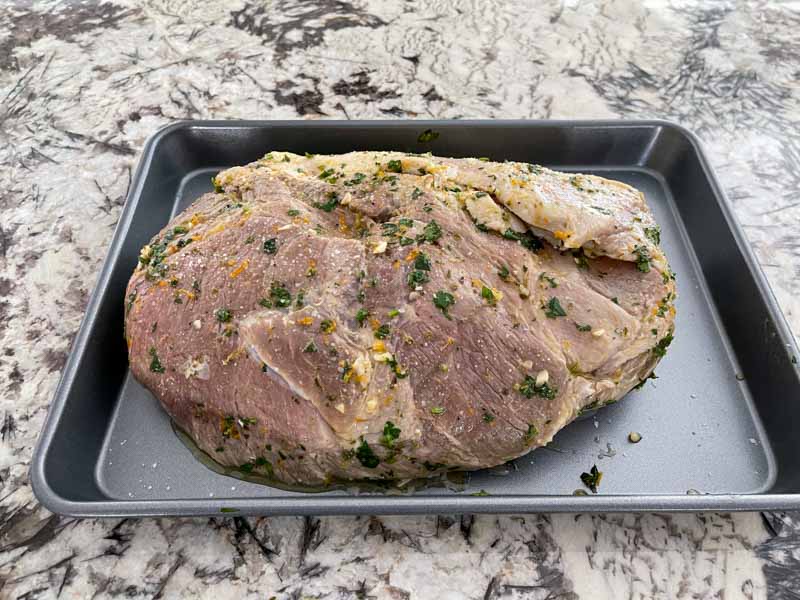
The secret to authentic Cuban Roast Pork is a long soak in a vibrant, citrus-heavy marinade known as Mojo. This step is non-negotiable if you want that signature bright and garlicky flavor profile.
The day before you plan to cook the Cuban roasted pork, you need to marinate the pork. For this cook, I used a Snake River Farms Kurobuta Pork Collar instead of a pork shoulder. Kurobuta pork is to pork what Wagyu is to beef: incredibly well-marbled and full of flavor! If you want to use a pork shoulder for this recipe, that is a great substitute. You’ll need to find a boneless piece to use.
For the marinade, mix:
- 3/4 cup extra-virgin olive oil
- 1 tablespoon orange zest
- 3/4 cup fresh orange juice
- 1/2 cup fresh lime juice
- 1 cup cilantro (finely chopped)
- 1/4 cup lightly packed mint leaves (finely chopped)
- 8 garlic cloves (minced)
- 2 teaspoons dried oregano
- 2 teaspoons ground cumin
- Kosher salt and pepper
Slice 1 yellow onion, then add the pork, onion, and marinade to a container and into the fridge overnight. The next day, take the pork out and separate that from the onions and marinade.
- Pro Tip: Don’t toss that marinade yet! We are going to use it later to create a flavorful sauce.
- The Pork Collar: While pork shoulder is the standard, the pork collar (or coppa) has phenomenal fat distribution. On the Big Green Egg, this fat renders down beautifully, keeping the meat moist during the long cook.
Step 2: Preparing the Mojo Basting Sauce
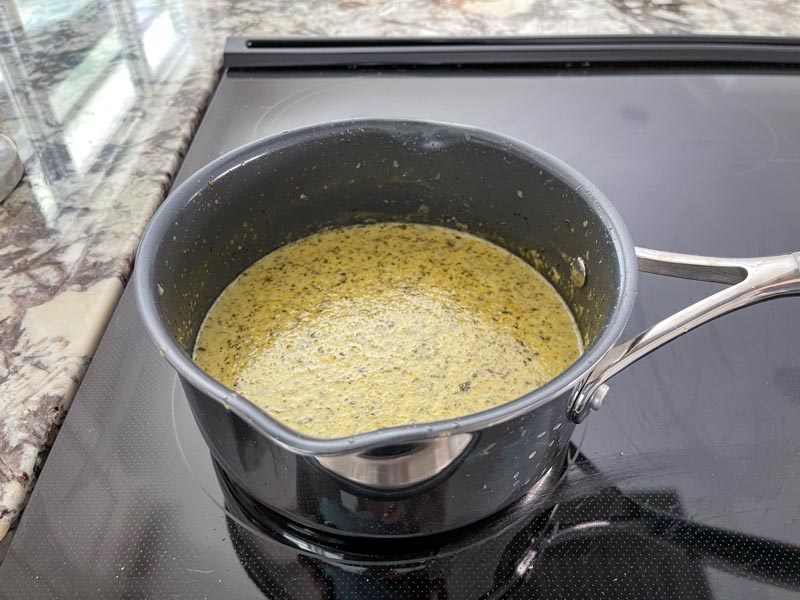
While the Big Green Egg is getting up to temperature, it is time to transform that overnight marinade into a powerhouse sauce. Since the marinade was in contact with raw meat, we need to cook it through to make it safe for basting and serving.
Bring the onions and the reserved marinade up to a boil, then lower the heat and simmer for 5 minutes. After that, use a blender (or hand blender) to make a puree to be used for a sauce later and for basting the roasted pork as it cooks.
- The Flavor Profile: Simmering the marinade mellows out the raw garlic and onion, while the citrus juices concentrate.
- The Puree: Blending the mixture ensures you get a smooth consistency that easily coats the meat. This sauce is essentially “liquid gold” for your Cuban Roast Pork, providing both moisture and a massive punch of acidity and herbs.
Step 3: Setting Up the Big Green Egg
With the pork marinated and the basting sauce ready, it is time to fire up the grill. For this cook, we are using a specific setup to balance that smoky charcoal flavor with gentle, consistent heat.
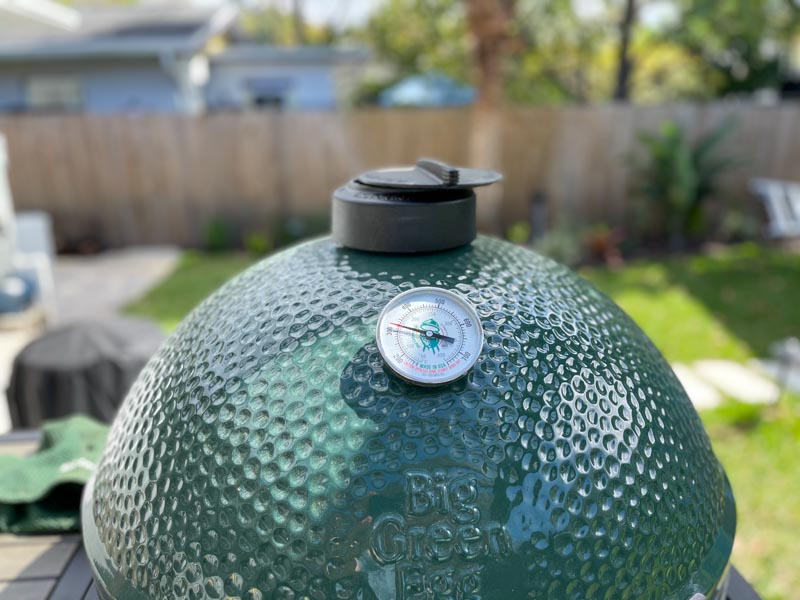
Set the Big Green Egg for raised direct cooking using the top tier of the EGGspander at 300°F. The flavor you get from direct grilling is second to none and raising the meat like this reduces flare ups and allows for greater control.
- Why Raised Direct? By using the EGGspander, you create distance between the coals and the pork collar. This setup gives you the flavor benefits of fat dripping onto the hot charcoal (creating that signature “BBQ” aroma) without the risk of burning the exterior of the meat before the inside is tender.
- Temperature Control: Keeping the Egg at a steady 300°F allows the Kurobuta pork to roast slowly. This gives the fat enough time to render and the citrus sugars in the marinade to caramelize into a beautiful crust.
Step 4: The Roast and Basting Schedule
Now that the Egg is locked in at 300°F, it is time to develop that crust. Because we are cooking over direct heat, staying active with the roast is the key to success.
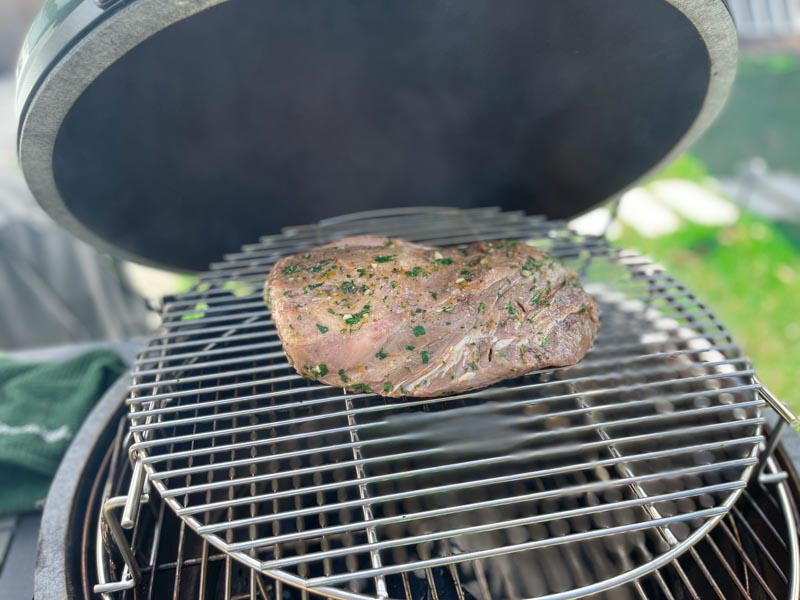
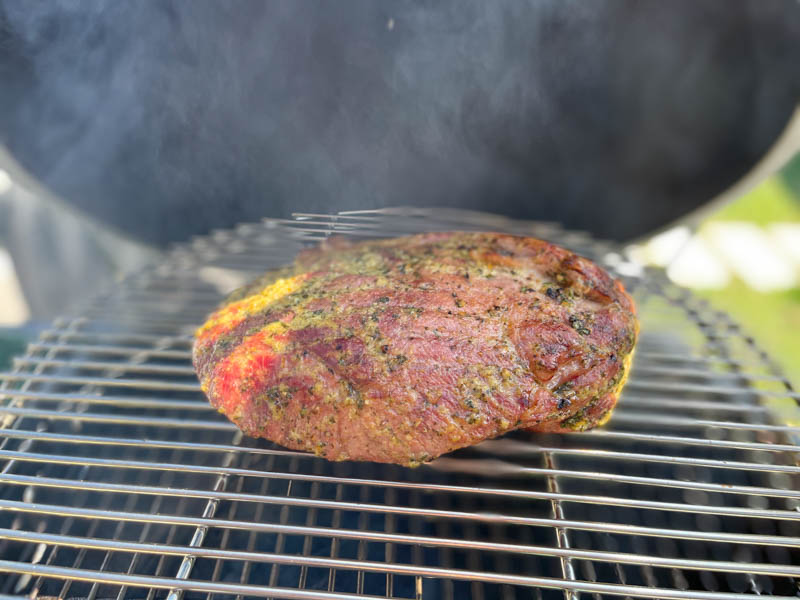
Place the meat on and cook until the internal temperature reaches 165°F. While the pork roast is cooking, turn it every 30 minutes and baste with the reserved marinade. For this cook, it took me 2.5 hours to get to 165°F.
- The Turn and Baste: Rotating the pork collar every half hour ensures an even cook and prevents any one side from getting too much direct heat. Each time you flip it, apply a generous layer of that Mojo puree. This builds up a flavorful “bark” on the outside of the meat.
- The Temperature Target: Pulling the pork at 165°F is the midway point. While the meat is technically safe, it still needs more time for the connective tissue to fully break down so it can reach that succulent, pull-apart texture we need for a proper Cuban sandwich.
Step 5: The Push to 200°F
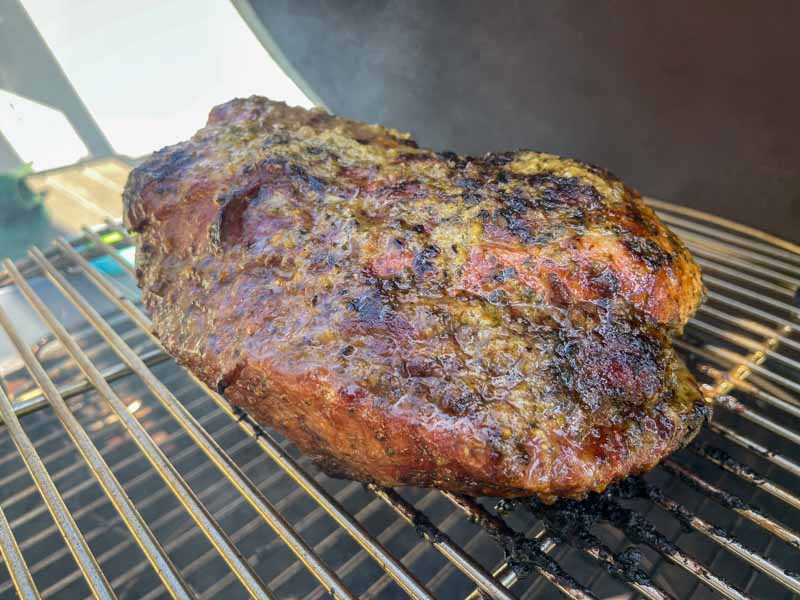
Once the pork roast reaches an internal temperature of 165°F, pull it from the Big Green Egg, wrap it in foil, then place it back inside until the internal temperature measures 200°F or the temperature probe slides in and out of the pork roast with little to no resistance. For this cook, it took me an additional 1 hour to get there.
- The Crutch: Wrapping the pork in foil (often called the “Texas Crutch”) helps the meat power through the stall by trapping steam and moisture. This speeds up the cooking process and ensures your Cuban Roast Pork stays incredibly tender.
- The “Probe Tender” Test: While 200°F is the target, the real indicator of doneness is the feel. You want your probe to slide into the meat like it’s going into a stick of warm butter.
- The Final Texture: Reaching this higher temperature is what transforms the pork collar from a sliceable roast into the tender, juicy Lechon Asado that makes a Cuban sandwich world-class.
Step 6: The Rest and the Reveal
As tempting as it is to dive in the second that pork hits the cutting board, patience is your best friend here. This final step is what separates a good roast from an elite Cuban Roast Pork.
After the pork is finished cooking on the Big Green Egg, pull and let it rest for 30 minutes to an hour until you shred the meat for sandwiches or for Cuban Black Beans and Rice.
- The Science of the Rest: During this time, the internal juices redistribute throughout the pork collar. If you shred it too early, all that moisture will end up on the board instead of in your sandwich.
- Versatility: This Lechon Asado is the star of the show. Whether you are layering it with ham and Swiss for the ultimate Tampa-style Cuban sandwich or serving it over a bed of fluffy rice and savory black beans, the smoky depth from the Big Green Egg makes it stand out.
- The Final Touch: If you have any of that blended Mojo sauce left over, drizzle a little more on the shredded meat just before serving to give it one last punch of citrus and garlic.
The Final Verdict
Mastering how to make Cuban Roast Pork on the Big Green Egg is a game changer for any backyard cook. Using the Kurobuta pork collar and the raised direct method gives you a result that is rich, tender, and packed with authentic Florida flavor.
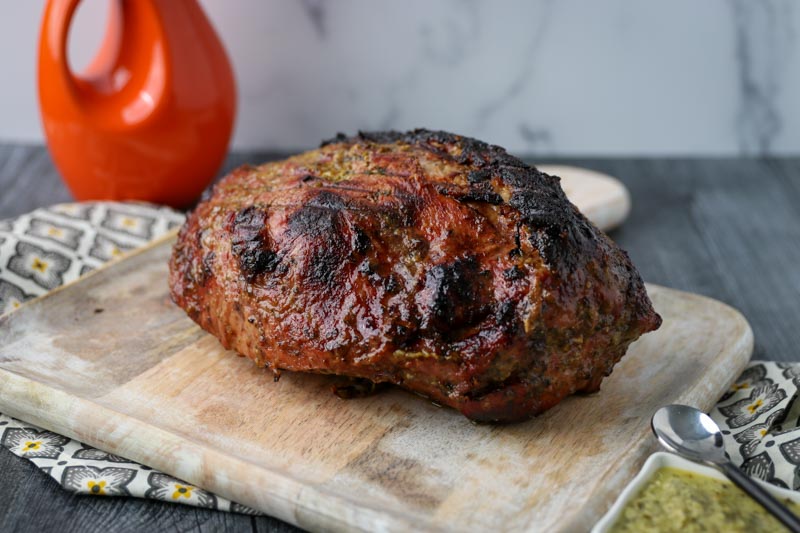
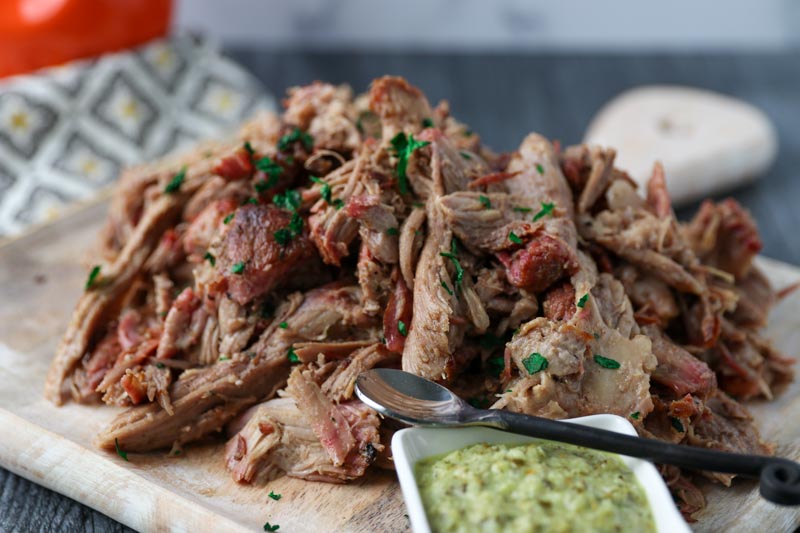
From Roast to Legend: The Ultimate Cuban Sandwich
You can use the Lechon Asado to make real Cuban sandwiches at home! While the roast pork is the soul of the dish, the magic happens when it joins forces with the other ingredients in a press.
- The Build: Start with a piece of authentic Cuban bread. Layer on your freshly shredded Lechon Asado, thinly sliced ham, Swiss cheese, and dill pickles.
- The Tampa Twist: Since we are talking about the Tampa-born classic, don’t forget that yellow mustard. Some purists even add a little salami to honor the sandwich’s origins in Ybor City.
- The Press: If you don’t have a panini press, don’t worry. You can use a heavy cast-iron skillet on your stovetop to weigh the sandwich down. The goal is to get the bread golden and crispy while the Swiss cheese melts into the warm, smoky pork.
There is nothing quite like the crunch of the bread followed by the savory, citrus-infused punch of the Cuban Roast Pork. It is a labor of love that pays off in every single bite.
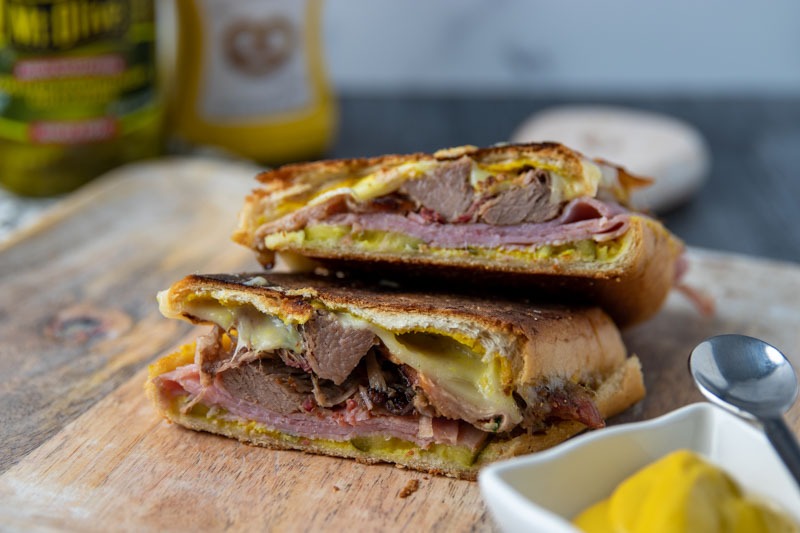
How to Make Cuban Roast Pork on the Big Green Egg
Ingredients
The pork:
- 3-4 pounds boneless pork collar, or boneless pork shoulder
- 1 yellow onions, sliced
The Mojo Marinade:
- 3/4 cup extra-virgin olive oil
- 1 tbsp orange zest
- 3/4 cup fresh orange juice
- 1/2 cup fresh lime juice
- 1 cup cilantro, chopped
- 1/4 cup lightly packed mint leaves, chopped
- 8 garlic cloves, minced
- 2 tsp dried oregano
- 2 tsp ground cumin
- Kosher salt and pepper, to taste
Instructions
- The Overnight Marinate: Mix all marinade ingredients in a bowl, then place the pork, sliced onion, and marinade in a container to refrigerate overnight.
- Prep the Basting Sauce: Separate the pork from the liquid, bring the marinade and onions to a boil for 5 minutes, then blend into a smooth puree.
- The Big Green Egg Setup: Preheat your Big Green Egg to 300°F and set it up for raised direct cooking using the top tier of the EGGspander.
- The Roast: Place the pork on the grill, turning and basting with the Mojo puree every 30 minutes until the internal temperature reaches 165°F.
- The Finish: Remove the pork at 165°F, wrap it tightly in aluminum foil, and return it to the Egg until the internal temperature reaches 200°F.
- The Rest: Remove the pork from the Egg and let it rest for 30 minutes to 1 hour before shredding for sandwiches or sides.
Nutrition information is automatically calculated, so should only be used as an approximation.






I recently was gifted a medium egg. Therefore, the eggspander is not an option since it’s not made for a medium egg. However, I have the convector basket allowing for raises direct cooking. Will this set still allow me to direct cook the pork? Or, should I use the convector for an indirect cook with this recipe? Thanks.
In that scenario I would use the conveggtor for this cook. Better control for you in a smaller environment. Great question!
I have a large BGE. Would you recommend using a convertor or doing it direct on that size?