
This post contains affiliate links. Please see our disclosure policy.
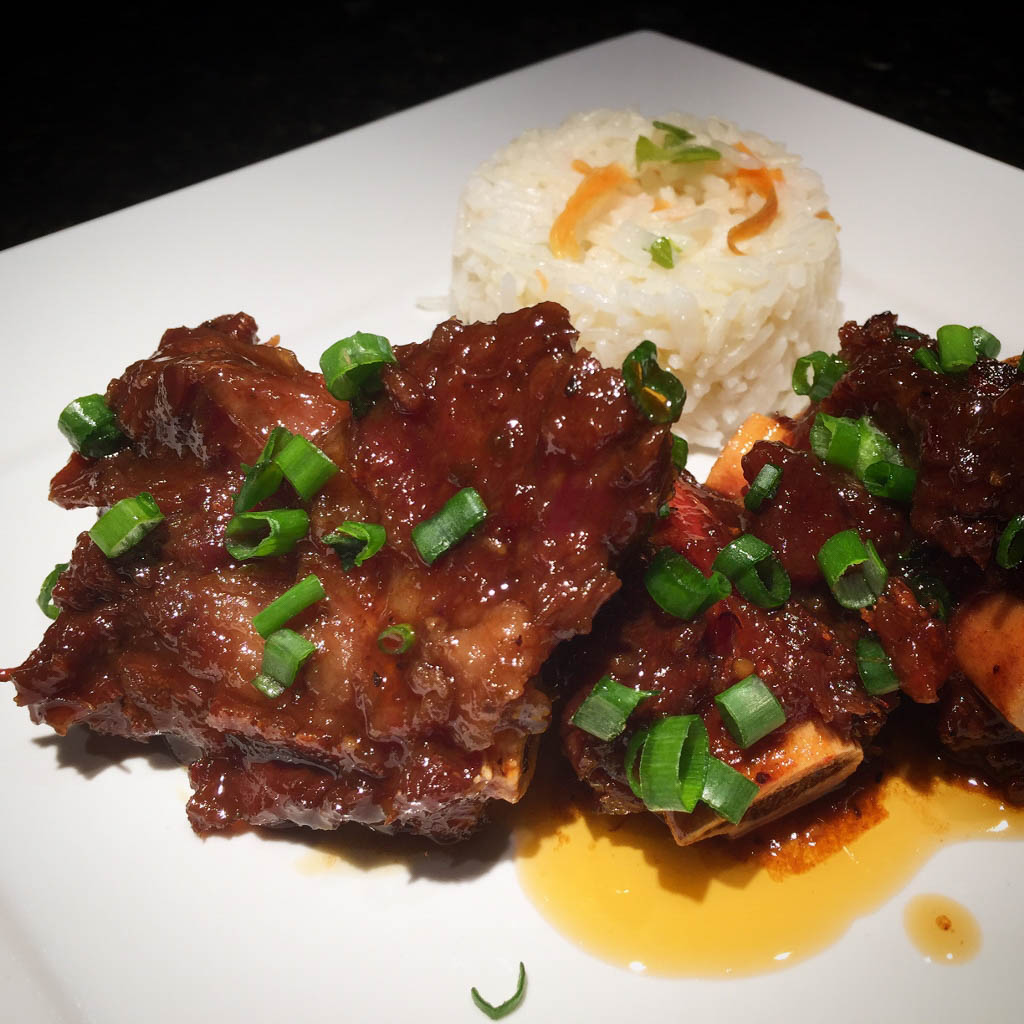
Are you looking for a dish that perfectly balances sweet, salty, and savory in every single bite? These Sticky Vietnamese Beef Riblets are a masterclass in the traditional Vietnamese cooking technique known as Suon Ram Man. While many associate ribs with low-and-slow outdoor smoking, this indoor braise is all about the transformation of simple ingredients into a complex, mirror-like glaze that you will want to put on everything.
This recipe is incredibly rewarding and brings the vibrant flavors of Southeast Asian soul food right into your kitchen. The secret lies in the Nước Màu (Vietnamese caramel sauce), where we take sugar to a deep, dark amber before deglazing with fish sauce and coconut water. The result is a tender, fall-off-the-bone riblet coated in a savory-sweet reduction that is deeply aromatic.
Whether you are looking to expand your culinary repertoire or simply want a comforting meal that pairs perfectly with a bowl of jasmine rice, this recipe is a guaranteed winner. Now sit back, grab a glass of a bold Zinfandel or a crisp lager, and enjoy this journey into Sticky Vietnamese Beef Riblets.
They say that some of the best culinary discoveries are born from a simple misunderstanding. This recipe for Sticky Vietnamese Beef Riblets is exactly that.
It all started when I saw a video for traditional caramelized pork spare ribs (Suon Ram Man) that looked so incredible I knew I had to recreate it that very evening. My original plan was to adapt the recipe for the Big Green Egg, bringing that signature wood-fired flavor to this Vietnamese classic. I shared the idea with my “Sous Chef” Debbie, and we quickly put together a shopping list.
As I got busy setting up for some food photography, preoccupied with lighting and lens angles, Debbie asked the final, crucial question: “…you want beef ribs, right?” Distracted by the camera, I gave a quick “Yes, we want beef ribs.” At least, that is how she remembers the conversation!
By the time the beef arrived, I realized I had two variables I really wanted to control: the perfect natural lighting for the photos and the delicate process of caramelizing sugar. To get the “Nước Màu” (caramel sauce) exactly right without any distractions, I decided to keep this cook indoors. The result was a stunning fusion of flavors that proved beef was a brilliant “mistake” after all.
Table of Contents
- Step 1: The Butcher Prep
- Step 2: The Saltwater Soak
- Step 3: The Mise en Place
- Step 4: The Aromatics and the Quick Marinate
- Step 5: Starting the Caramel Base
- Step 6: The Art of the Caramel (Nước Màu)
- Step 7: The Coating
- Step 8: The Deglaze and the Braise
- Step 9: The Gentle Braise
- Step 10: The Reduction and the Heat
- Step 11: The Finish and the Flare
- Sticky Vietnamese Beef Riblets: A Sweet and Savory Braise Recipe
Get My NEW Book
The Ultimate Big Green Egg Cookbook
Step 1: The Butcher Prep
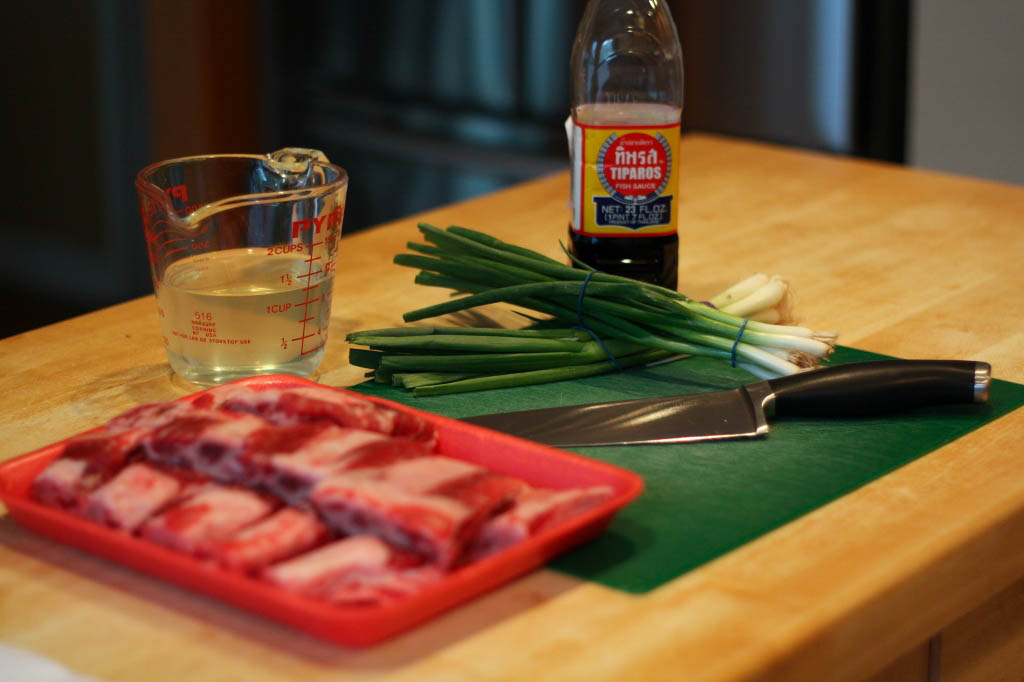
The first step to success with this dish is all about the architecture of the meat. You cannot use full-sized ribs here; you need riblets.
I took the easy route and asked my butcher to do the heavy lifting for me. If you ask for beef back ribs or short ribs to be “flanken-cut” (cross-cut) into small, 1 to 1.5-inch pieces, you’ll get the perfect bite-sized morsels. This size is critical because it ensures that every bit of meat is thoroughly coated in the sticky, savory glaze we are about to create.
Step 2: The Saltwater Soak
Before the ribs ever touch a hot pan, there is a traditional step that makes a world of difference in the final clarity and flavor of the sauce.
Take your butcher-cut riblets and place them in a large bowl of lightly salted water. Let them soak for about 15 minutes.
Why Soak the Ribs?
This isn’t just about cleaning; it’s about removing “impurities.” In Vietnamese cooking, this soak helps draw out excess blood and any tiny bone fragments left behind by the butcher’s saw.
- The Result: By cleaning the meat this way, you ensure that your braising liquid stays clear and vibrant rather than becoming cloudy or “muddy” with protein foam.
- The Texture: It also helps subtly season the meat from the outside in, prepping the beef to take on the deep flavors of the caramel and fish sauce later on.
Cooking by Feel: The Prep for the Sear
After the 15 minutes are up, drain the water and rinse the ribs one last time.
Crucial Step: Now, you must get the beef as dry as possible. Use paper towels to pat each riblet until they are completely bone-dry. If the meat is even slightly wet when it hits the oil, it will steam instead of sear. We are looking for a hard, golden-brown crust, and moisture is the enemy of a good crust!
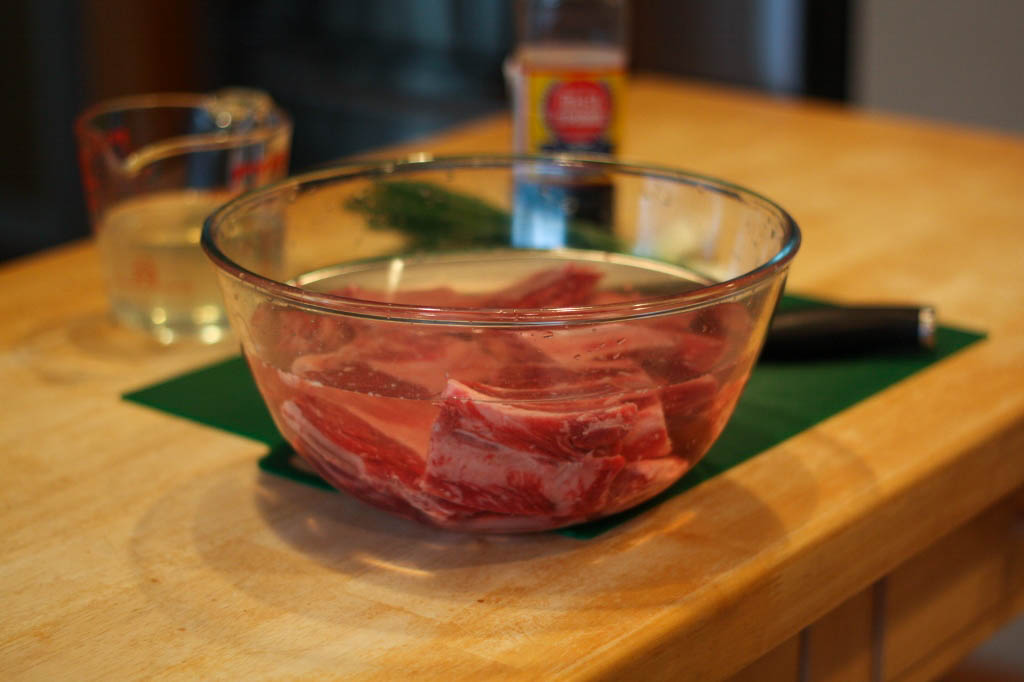
Step 3: The Mise en Place
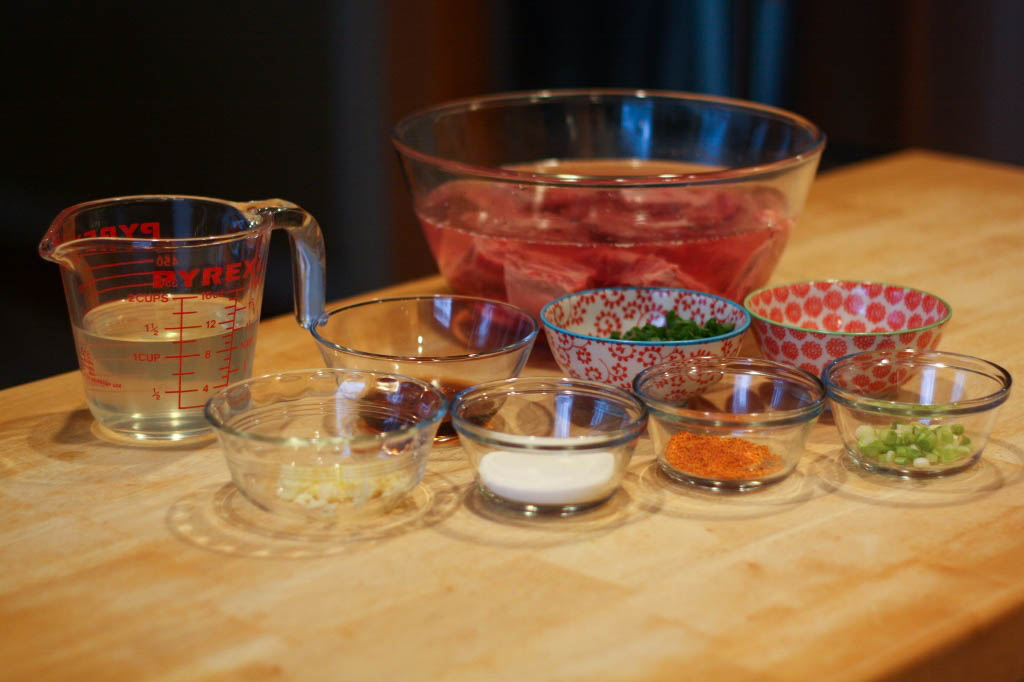
While the ribs are enjoying their saltwater soak, it is the perfect time to get your mise en place (everything in its place) ready. This dish moves fast once the sugar starts to melt, so having your ingredients measured and within arm’s reach is the secret to a stress-free cook.
Gather the following:
- The Aromatics: Minced garlic and freshly chopped green onions. These will provide the foundational scent and flavor for the oil.
- The Savory Base: High-quality fish sauce. This is the soul of the dish, providing the salt and that deep umami funk.
- The Sweetness: Plain white sugar. This is what we will transform into the dark, bitter-sweet caramel.
- The Braising Liquid: Coconut water. This adds a subtle sweetness and helps tenderize the beef as it reduces.
- The Heat: Garlic chili sauce (like Huy Fong Sambal Oelek) to provide a gentle back-end kick.
- The Seasoning: A little extra salt and pepper to adjust the final profile.
Cooking by Feel: The Aromatics Check
When you chop your green onions, keep the white bottoms and the green tops separate. You’ll want to sauté the white parts with the garlic and ginger to build flavor, saving the vibrant green tops for a fresh garnish at the very end.
The “So What?” — Why Coconut Water?
You might be tempted to use plain water, but coconut water is the traditional choice for a reason. It contains natural sugars and electrolytes that interact with the fish sauce to create a much more complex, rounded flavor. As it reduces, it becomes syrupy and rich, coating the beef in a way that water simply can’t.
Step 4: The Aromatics and the Quick Marinate
Once the 15-minute soak is complete, it is time to transition the beef from “cleaned” to “flavor-packed.” This stage is all about building the first layer of seasoning directly into the meat.
- The Final Rinse: Take the ribs out of the salted water and wash them thoroughly under cold, running water. This ensures any remaining impurities or excess surface salt are completely washed away.
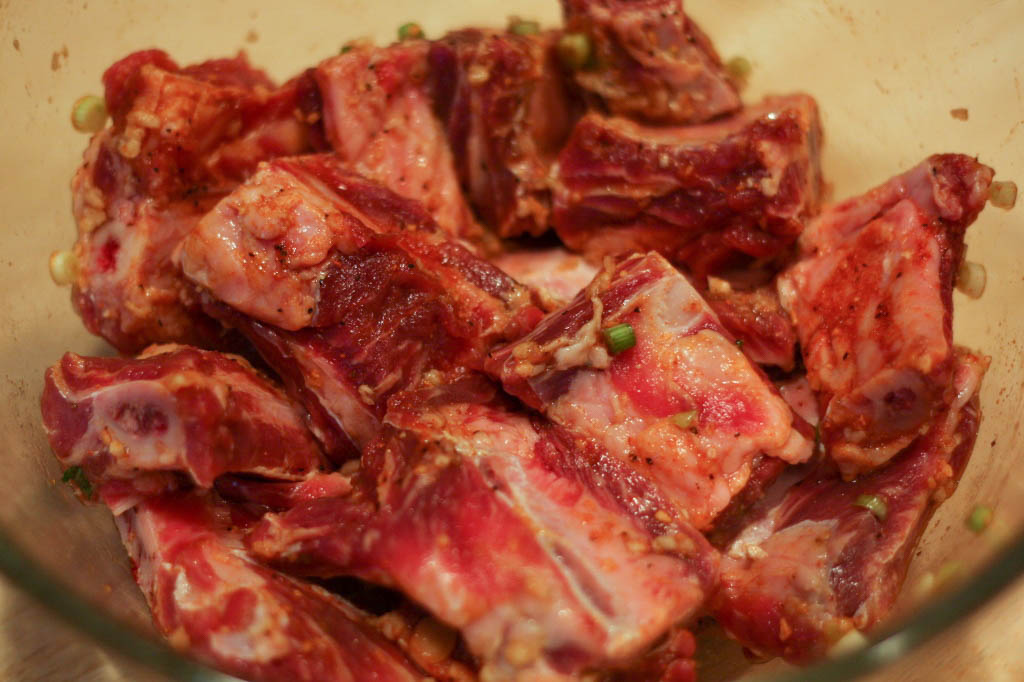
- The Infusion: Place the cleaned ribs into a clean bowl. Add the white parts of the green onions, the minced garlic, and your seasoning (salt and pepper).
- The Mix: Use your hands to toss the ribs, ensuring every nook and cranny of the beef is coated in the garlic and onion.
- The Short Marinate: Let the mixture sit for 15 minutes.
Cooking by Feel: The Power of the Whites
Using the white parts of the green onions here is a deliberate move. They are more pungent and structurally heartier than the green tops, meaning they can stand up to the heat later on. As they sit with the beef, the garlic and onion juices begin to penetrate the surface, prepping the meat for the high-heat sear.
The “So What?” — Why Marinate Now?
While the caramel will eventually provide the “sticky” exterior, this quick 15-minute marinade ensures the beef doesn’t taste flat on the inside. It creates a savory baseline that will eventually contrast beautifully with the sweet coconut water reduction we are about to build.
Step 5: Starting the Caramel Base
With the ribs marinated and ready to go, it is time to build the foundation of the dish. This is where we create the Nước Màu, the essential Vietnamese caramel that gives the ribs their deep color and signature flavor profile.
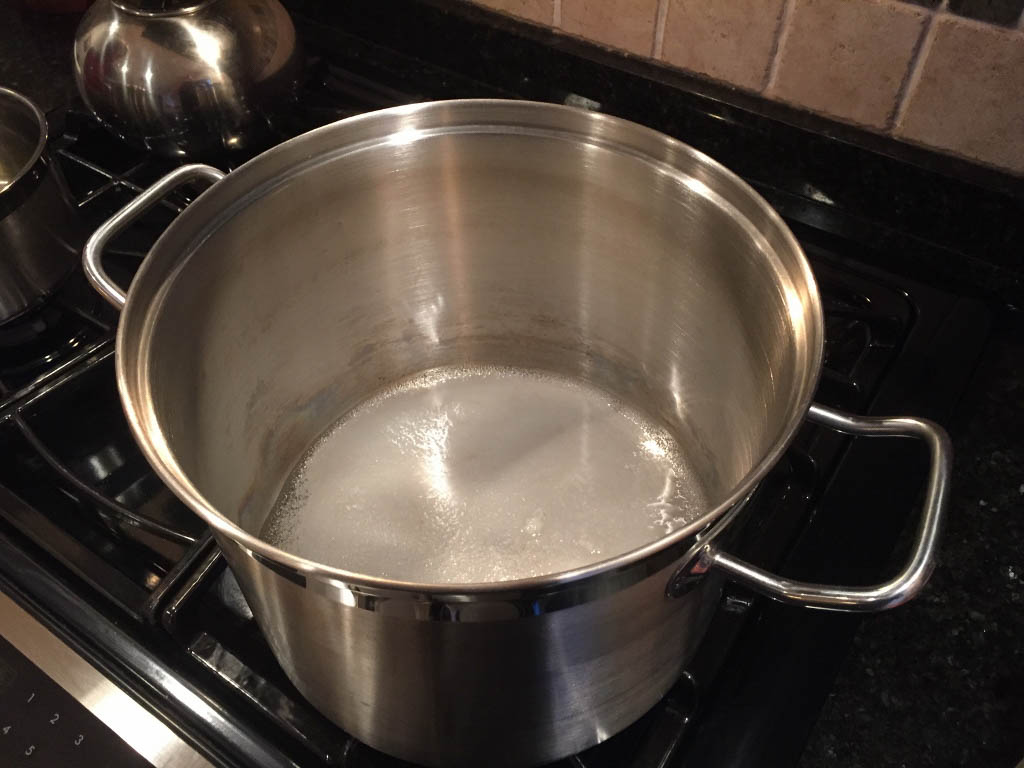
- Heat the Pot: Place a large, heavy-bottomed pot or Dutch oven on the stove over medium heat. Using a heavy pot is crucial here as it distributes the heat evenly and prevents the sugar from developing “hot spots” and burning too quickly.
- The Oil and Sugar: Add your cooking oil to the pot. Once the oil is warm, add the sugar.
- The Integration: Stir the sugar into the oil until it is evenly spread across the bottom of the pot. You want the sugar and oil to be well-mixed, forming a sort of sandy paste.
Cooking by Feel: The Calm Before the Melt
At this stage, your primary job is to watch and wait. You aren’t looking for a rapid boil or smoke; you are waiting for the heat to slowly break down the sugar crystals. Keeping the heat at a steady medium ensures you stay in control.
The “So What?” — Why Mix Sugar with Oil?
By mixing the sugar directly with the oil, you are creating a medium that allows the sugar to melt more evenly. The oil helps conduct the heat to every grain of sugar simultaneously, which is the secret to getting a uniform, professional-grade caramel without those frustrating clumps of un-melted sugar.
Step 6: The Art of the Caramel (Nước Màu)
This is the most critical stage of the recipe. You are no longer just cooking; you are observing a chemical transformation. This is where “cooking by feel” becomes your greatest asset.
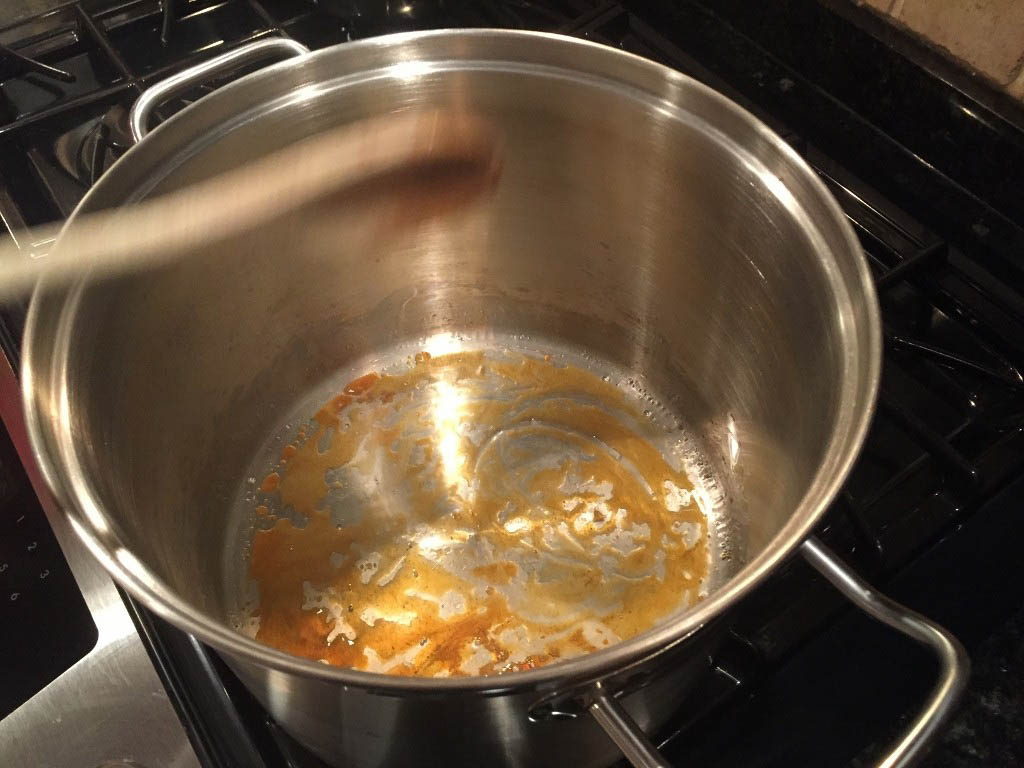
- Watch the Melt: As the sugar heats up in the oil, it will first turn into a clear liquid, then slowly transition to a light yellow, then a pale gold.
- The Amber Window: Keep a close eye on the pot as the color deepens. You are looking for the sugar to turn a rich, deep amber brown (think of the color of a shiny new penny). This is where the flavor evolves from simple sweetness to a complex, toasted caramel with a hint of bitterness.
- Kill the Heat: This process happens slowly at first and then very, very fast. The window between “perfectly caramelized” and “burnt” is only a matter of seconds.
- The Pull: As soon as you see that deep brown color achieved, immediately pull the pot off the burner. Even with the heat off, the residual heat of a heavy pot will continue to cook the sugar, so timing is everything.
Cooking by Feel: The “Penny” Rule
If the sugar is still bright yellow or gold, it hasn’t developed the depth of flavor needed for Suon Ram Man. If it starts to smoke or turns black, it has gone too far and will taste unpleasantly bitter. You want that sweet spot, a dark, reddish-brown that smells toasted and nutty.
The “So What?” — Why Pull it Off the Heat?
Sugar holds an incredible amount of latent heat. By removing the pot from the burner the moment the color is right, you arrest the cooking process and prevent the sugar from scorching. This ensures your glaze remains smooth and savory rather than acrid and burnt.
Step 7: The Coating
Now that you have achieved that perfect amber caramel, it is time to marry the meat to the sauce. This step is about using the residual heat to create the first layer of “sticky” texture.
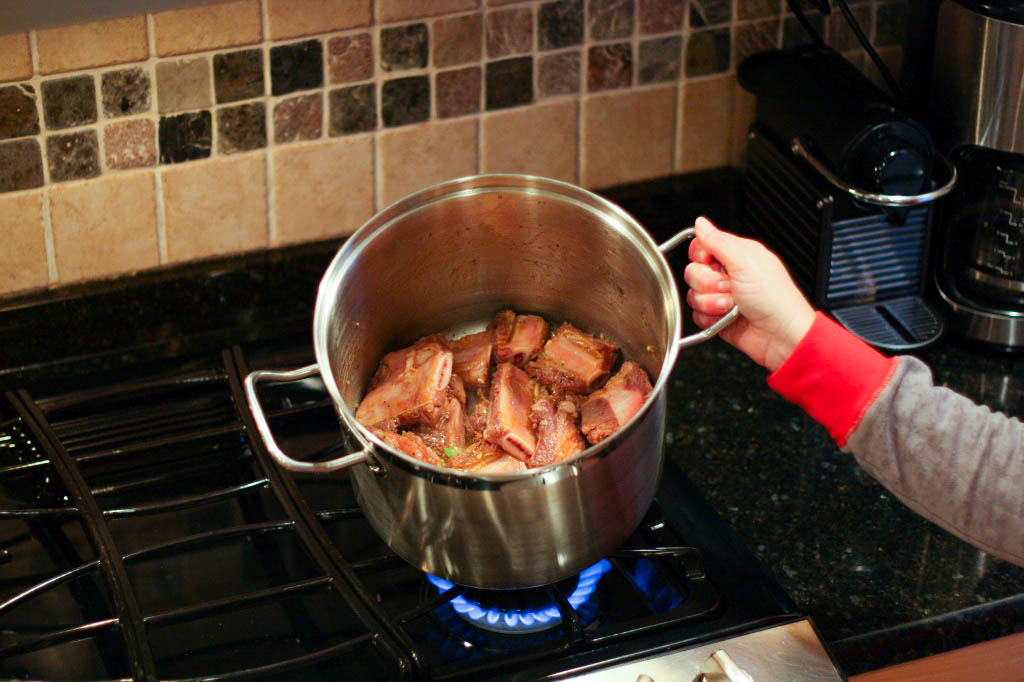
- The Drop: With the pot still off the burner, carefully add your marinated beef riblets into the caramel.
- The Stir: Immediately begin stirring the ribs to ensure every piece is evenly coated. The caramel will be incredibly hot and sticky, so use a sturdy wooden spoon or heat-resistant spatula to toss the beef.
- The Color Transformation: As you stir, you’ll see the pale beef instantly transform. The deep brown sugar will cling to the meat, giving the riblets a beautiful, dark mahogany glaze before the braising even begins.
Cooking by Feel: The Caramel Seize
Don’t be alarmed if the caramel seems to “seize” or harden slightly when the cooler meat hits the pot as this is completely normal. As we return the pot to the heat and add the liquids in the next step, that sugar will melt right back down and incorporate into the most incredible savory braise you’ve ever tasted.
The “So What?” — Why Coat Now?
By tossing the ribs in the caramel before adding the liquids, you are ensuring the sugar bonds directly to the surface of the meat. This creates a foundation of flavor that stays with the riblet through the entire cooking process, rather than just floating in the sauce. It is the secret to getting that deep, “burnt ends” style of color that defines great Vietnamese comfort food.
Step 8: The Deglaze and the Braise
With the ribs perfectly lacquered in that dark caramel, it is time to introduce the liquids that will tenderize the beef and create your savory sauce.
- Return to Heat: Place the pot back on the stove and set the burner to medium heat.
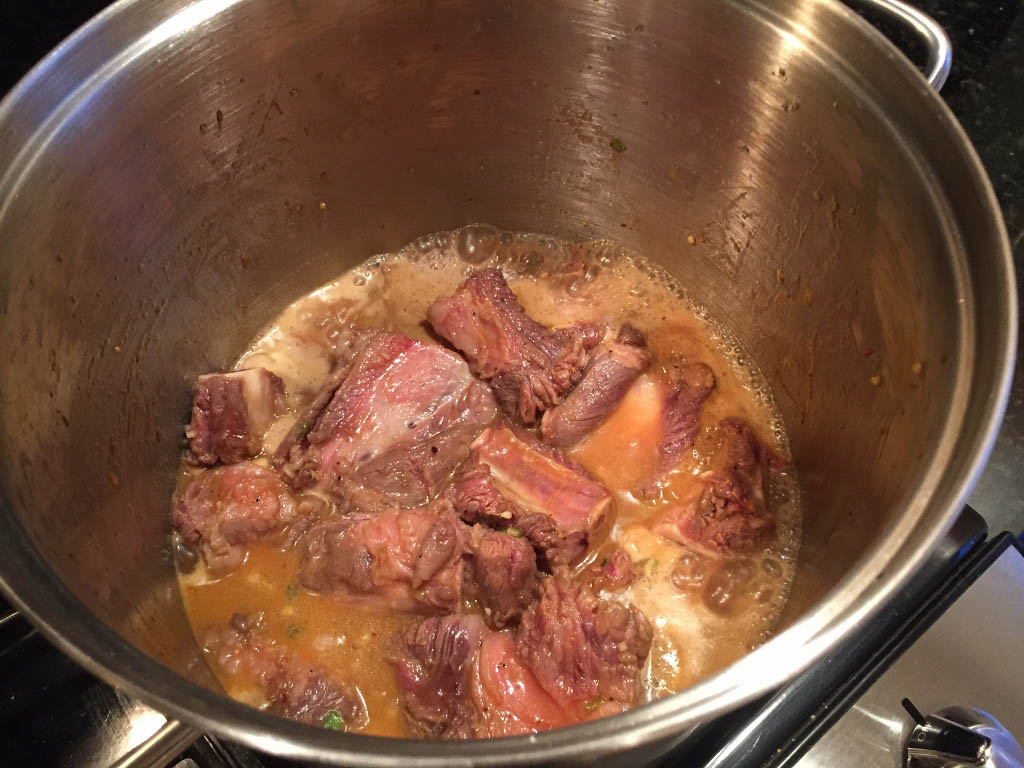
- Deglaze with Coconut Water: Pour in the coconut water. You will hear a magnificent sizzle as the liquid hits the hot pot. Use your spoon to scrape the bottom, dissolving any bits of caramel that may have tucked away.
- Add the Umami: Pour in the fish sauce. This is the moment the aroma changes from sweet caramel to that unmistakable, mouth-watering Vietnamese savory scent.
- The Boil: Stir everything together and bring the mixture to a boil.
Cooking by Feel: The “Liquid Level”
The liquid should almost cover the ribs but not quite submerge them completely. You want enough liquid to braise the meat until tender, but not so much that it takes forever to reduce into a sticky glaze. As the mixture hits a boil, the hardened caramel will fully dissolve, turning the liquid into a rich, golden-brown broth.
The “So What?” — Why Coconut Water over Regular Water?
In traditional Vietnamese cooking, coconut water acts as a natural tenderizer for the beef. Beyond the subtle sweetness it provides, it has a way of breaking down the connective tissue in the ribs more effectively than plain water. As it boils and then simmers, it reduces into a syrupy consistency that gives the “sticky” ribs their legendary shine.
Step 9: The Gentle Braise
Now that the pot has reached a boil and the flavors are fully combined, it is time to let the heat do the heavy lifting. This stage is all about transforming those butcher-cut riblets into tender, succulent bites.
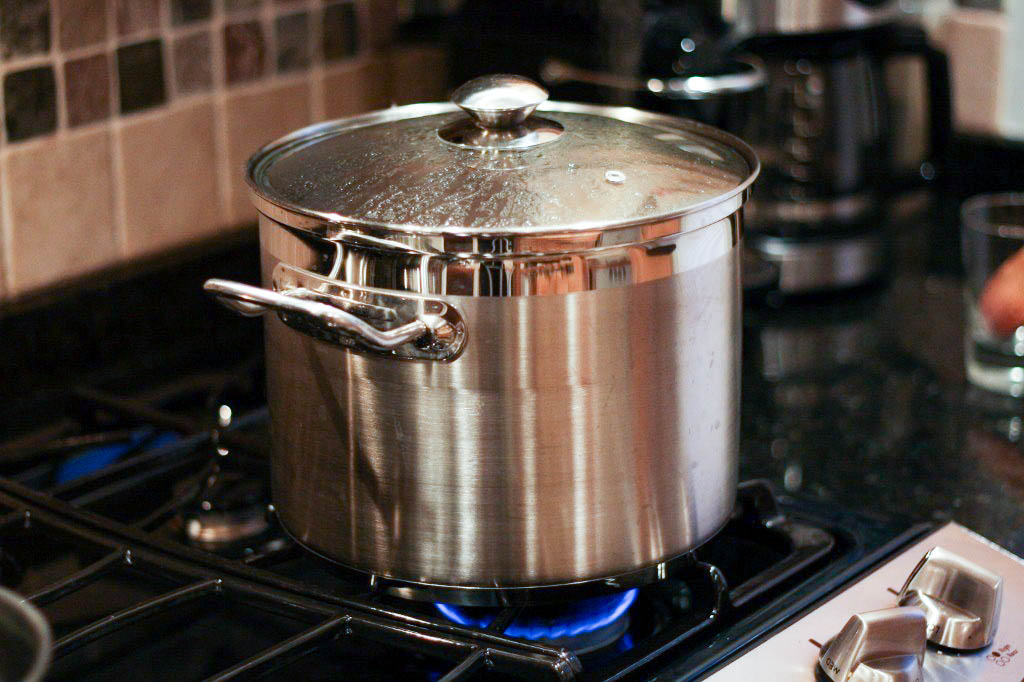
- Adjust the Flame: Lower the heat to a simmer. You want to see small, lazy bubbles breaking the surface rather than a violent roll.
- The Cover: Place the lid on your pot. This traps the steam and moisture inside, creating an environment that breaks down the connective tissue in the beef ribs.
- The Wait: Let the ribs braise for 25 minutes.
Cooking by Feel: The “Tenderizing” Phase
During these 25 minutes, the beef is absorbing the salinity of the fish sauce and the sweetness of the coconut water. By keeping the pot covered, you are ensuring the liquid doesn’t evaporate too quickly. This gives the meat enough time to soften before we move into the final reduction phase.
The “So What?” — Why a Lower Heat?
If you were to keep the ribs at a hard boil, the muscle fibers would tighten up and become tough. By dropping to a simmer and covering the pot, you are gently “steaming” the meat within the flavorful liquid. This is the secret to getting that fall-off-the-bone texture while keeping the meat juicy.
Step 10: The Reduction and the Heat
After 25 minutes under the lid, the ribs should be well on their way to tenderness. Now we transition from braising to glazing. This is where the sauce transforms from a thin liquid into a thick, concentrated syrup.
- Uncover the Pot: Remove the lid to allow the steam to escape. This is essential for the reduction process.
- Add the Kick: Stir in the garlic chili sauce. Adding it now, rather than at the beginning, ensures the spicy and garlicky notes stay vibrant and don’t get lost in the long braise.
- The Final Simmer: Keep the heat at a steady medium-low and cook for another 25 minutes.
- Stir Occasionally: As the liquid disappears, the sugars become more concentrated. Give the pot a stir every few minutes to make sure the ribs are being bathed in the thickening sauce and to prevent anything from sticking to the bottom.
Cooking by Feel: The “Mirror” Glaze
During this final 25 minutes, watch the bubbles. They will transition from thin and watery to large, glossy bubbles that pop slowly. That is the sign that the water has evaporated, leaving behind the oils, sugars, and collagen. You are looking for the sauce to reach a “mirror” consistency—it should be dark, shiny, and coat the back of a spoon.
The “So What?” — The Power of the Open Pot
By removing the lid, you are inviting the air to do its job. The reduction process intensifies every flavor in the pot. The saltiness of the fish sauce, the sweetness of the caramel, and the heat of the chili sauce all marry together into a single, cohesive glaze that clings to the beef like a second skin.
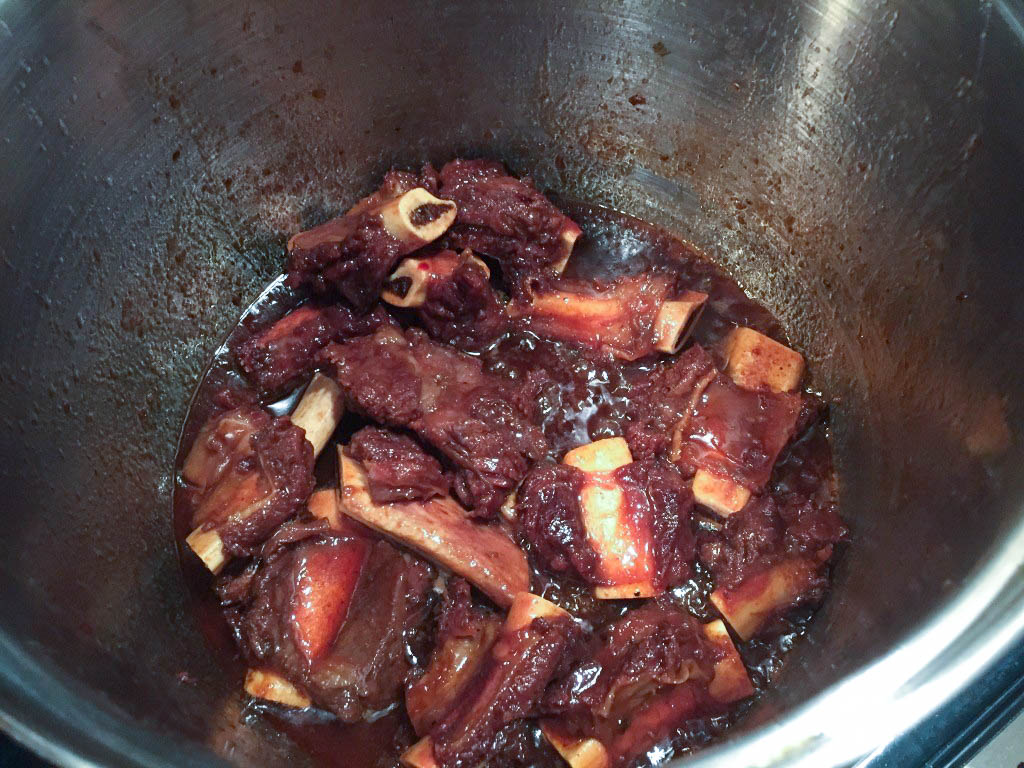
Step 11: The Finish and the Flare
This is the moment of truth. As the liquid evaporates, you will see the sauce transform into a thick, “gooey” lacquer that coats the ribs in a deep mahogany shine. This is the hallmark of a successful Suon Ram Man.
- The Pull: Once the sauce has reached that perfect, syrupy consistency and is clinging to the beef, pull the pot off the stove. You want to stop the heat before the sugars over-caramelize and become too stiff.
- The Final Toss: Give the ribs one last thorough stir in the pot. This ensures every single riblet is completely bathed in that concentrated, sweet-and-savory reduction.
- The Garnish: Toss in your reserved green onion tops. The residual heat will soften them just enough to release their fresh, peppery aroma without losing their vibrant green color.
- The Serve: Transfer the ribs to a platter, making sure to scrape every last bit of that gooey sauce out of the pot and over the meat.
Cooking by Feel: The “Sticky” Factor
You know you’ve nailed it when the sauce isn’t running all over the plate; instead, it should stay exactly where you put it, coating the meat like a savory candy shell. The contrast between the dark, rich beef and the bright green onions makes this dish look as professional as it tastes.
The “So What?” — The Perfect Pairing
These ribs are intense… packed with umami, salt, and sweetness. To balance that richness, serve them alongside a bowl of steamed jasmine rice and some sliced cucumbers or pickled vegetables. The rice acts as a canvas for the extra sauce, while the crisp vegetables cut through the decadence of the beef.
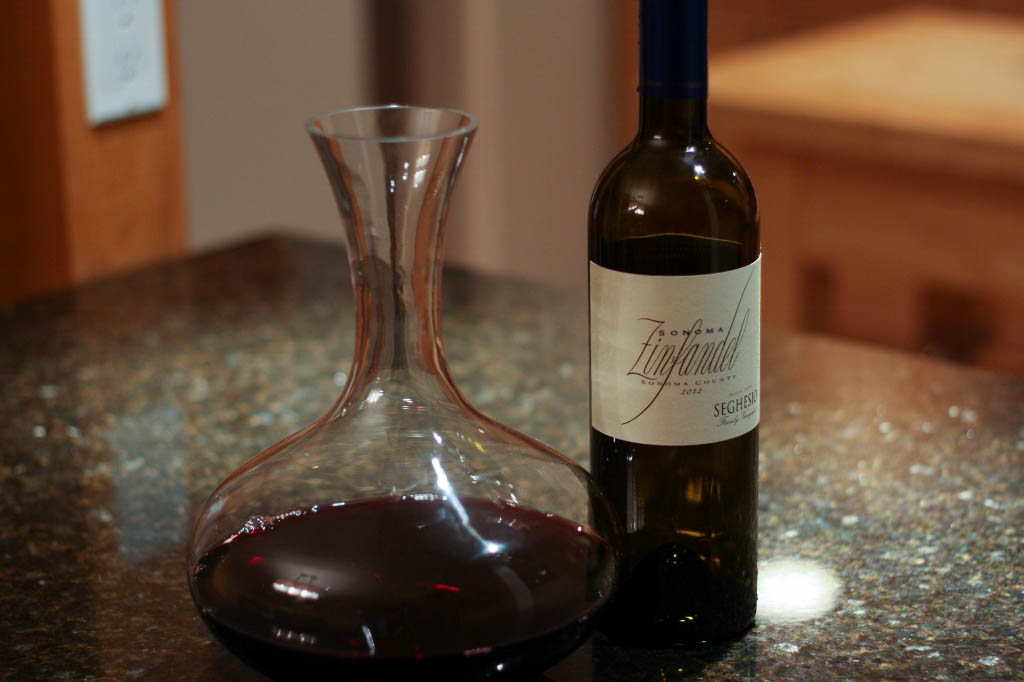
As we planned earlier, a glass of Zinfandel or a cold, crisp lager is the perfect companion to navigate the sweet heat of the garlic chili sauce.
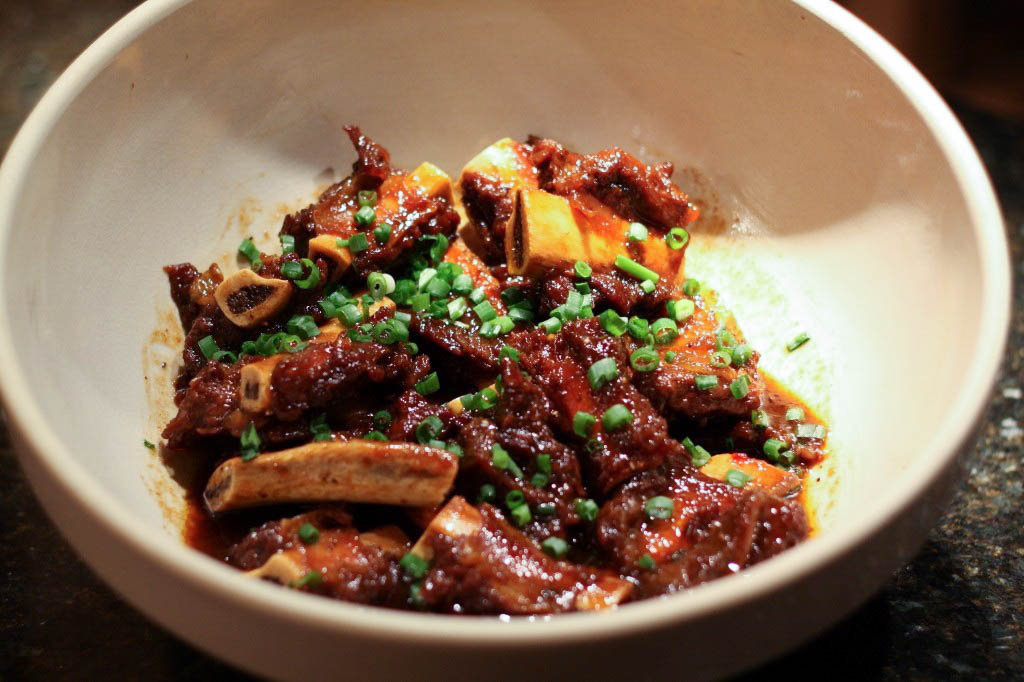

Sticky Vietnamese Beef Riblets: A Sweet and Savory Braise
Equipment
- 1 Stock Pot large
Ingredients
The Meat:
- 2 pounds Beef Back Ribs or Short Ribs, Flanken-cut into 1-inch riblets
The Caramel (Nước Màu):
- 3 tbsp sugar
- 2 tbsp cooking oil
The Braise:
- 1 cup Coconut Water
- 3 tbsp Fish Sauce
- 1 tbsp Garlic Chili Sauce
The Aromatics & Seasoning:
- 1/2 cup Green Onions, white parts
- 3 cloves Garlic, minced
- 1/2 tsp salt
- 1/2 tsp pepper
Instructions
- The Soak: Place the beef riblets in a bowl of lightly salted water. Let them soak for 15 minutes to remove impurities. Drain and wash thoroughly with cold water.
- The Marinate: Pat the ribs dry. In a bowl, combine the ribs with the white parts of the green onions, minced garlic, salt, and pepper. Mix well and let marinate for 15 minutes.
- The Caramel Base: Place a large, heavy pot on the stove over medium heat. Add the oil and spread the sugar evenly across the bottom.
- The "Amber" Moment: Watch the sugar closely as it melts. Once it turns a deep, dark amber brown (the color of a new penny), immediately remove the pot from the heat.
- The Coating: Add the marinated ribs to the pot. Stir constantly to coat every riblet in the hot caramel. The sugar may seize slightly; this is normal.
- The Deglaze: Return the pot to medium heat. Add the coconut water and fish sauce. Bring the mixture to a boil, stirring to ensure the caramel is fully dissolved.
- The Braise: Once boiling, turn the heat down to a low simmer. Cover with a lid and cook for 25 minutes to tenderize the beef.
- The Reduction: Remove the lid and stir in the garlic chili sauce. Increase the heat slightly to a steady simmer. Cook uncovered for another 25 minutes, stirring occasionally.
- The Finish: When the liquid has reduced into a thick, gooey glaze that coats the meat, pull the pot off the stove.
- Serve: Toss in the green onion tops for a final stir. Serve immediately over warm jasmine rice.
Nutrition information is automatically calculated, so should only be used as an approximation.





Whoa! You da man – I am impressed with camera work and your sidekick did a good job also. Am looking forward to trying them. What was your opinion on the finished product ?
Thanks Papa John… and yes, I have the best side kick!
So, a few adjustments. I didn’t know how much oil you used as quantity not given. I guessed. I doubled the recipe, also. As it is, three changes … I upped the fish sauce slightly, added an equal amount of soy sauce. I did the first kid on summer, but realized this would not be long enough to really make tender ribs … so, I stirred them around and repeated this step. Even with kid on, the sauce cooks down. Then, stirred it all around again and did 15 more minutes, still with lid. As I was doing the veggie side I let it simmer at lowest possible flame. Melt in your mouth tender. I have a nice pic, but unable to post.
Jerry,
Thanks for posting. Try adding a picture now! This was one fo the first recipes I posted when I started blogging. You have reminded me that I’d like to go back and do it again. This time I will try your modifications.