
This post contains affiliate links. Please see our disclosure policy.
There are few things more satisfying than tender, flavorful Kalbi Korean BBQ, especially when it is cooked over live coals. Combining the savory, sweet marinade of traditional Korean cuisine with the incredible heat control of the Big Green Egg takes this dish to a whole new level.
The secret to perfect Kalbi lies in the marinade and the fast, hot sear. This technique ensures the short ribs develop a deep caramelized crust while remaining incredibly juicy on the inside. If you are looking for a show-stopping meal that brings the authentic flavors of a Korean steakhouse to your backyard, this recipe is for you.
Sit back, grab a drink, and enjoy this post for Authentic Korean Kalbi Short Ribs on the Big Green Egg.
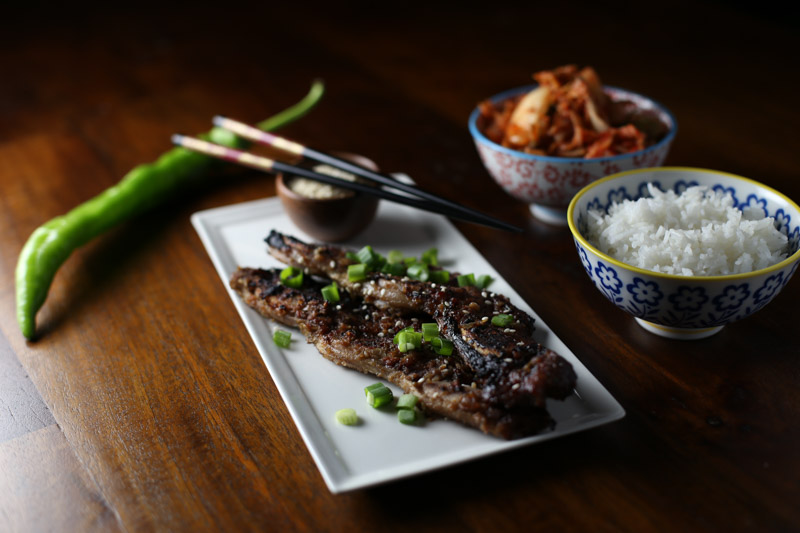
Table of Contents
Get My NEW Book
The Ultimate Big Green Egg Cookbook

An Affinity for Korean BBQ
Through years of cooking for my family, I developed a deep affinity for Korean cuisine. I became fascinated by the balance of flavors and the technique required to master these dishes, especially Kalbi (which translates to “rib”). While often called simply Kalbi, the full name is kalbi gui—with gui translating to “grilling,” highlighting that this dish is meant for high-heat cooking.
To achieve an authentic flavor, a trip to a dedicated Korean grocery store is non-negotiable. The specific ingredients, particularly the cut of the beef and the soy-based marinade, cannot be perfectly replicated with standard grocery store alternatives. Whether I am visiting a specialized market like Lotte to find the right ingredients or prepping the ribs, the process is essential to the final dish.

Step 1: Sourcing the Ingredients
Shopping at a Korean grocery store is a fantastic experience, offering a wide variety of specialty items often at better prices than conventional supermarkets.
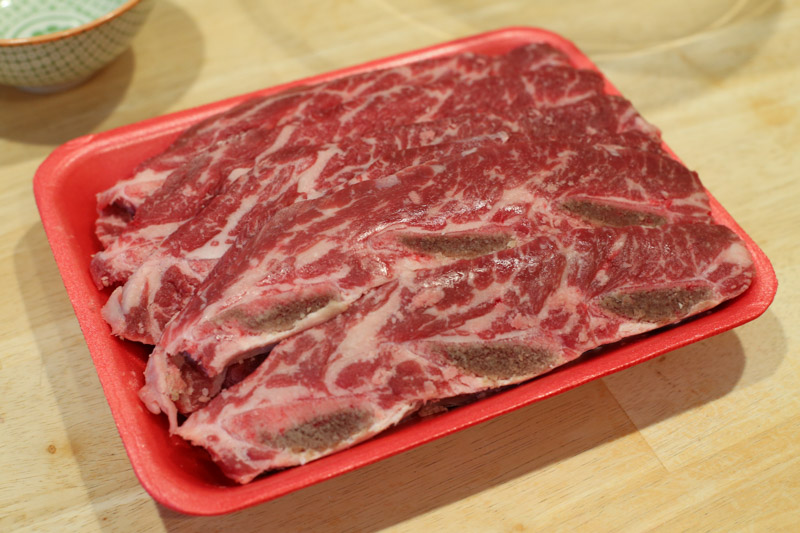
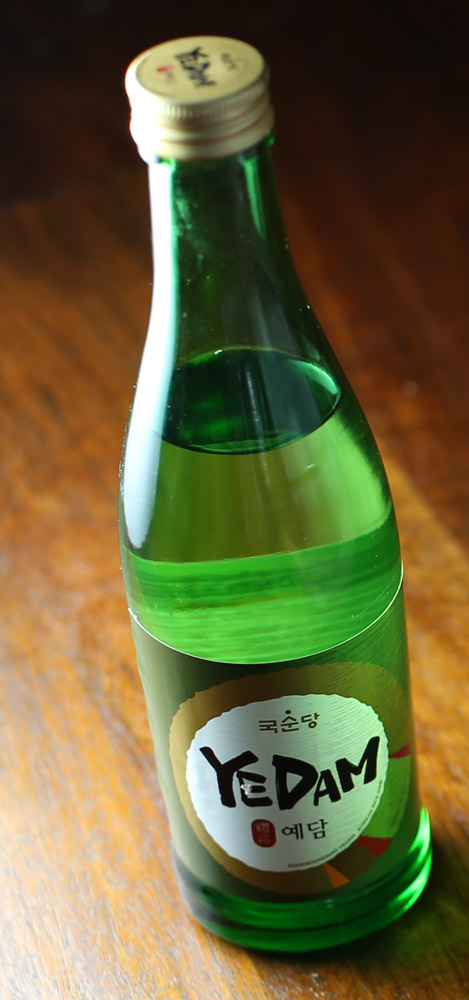
The foundation of this dish relies on two key ingredients that you must get right: the Korean-style beef short ribs and Cheongju (Korean rice wine). You can easily find them at any Korean grocery store; they will look like this…
Step 2: Preparing the Ribs and Marinade
Once you have your ingredients, the preparation process is key to achieving that signature tenderness.
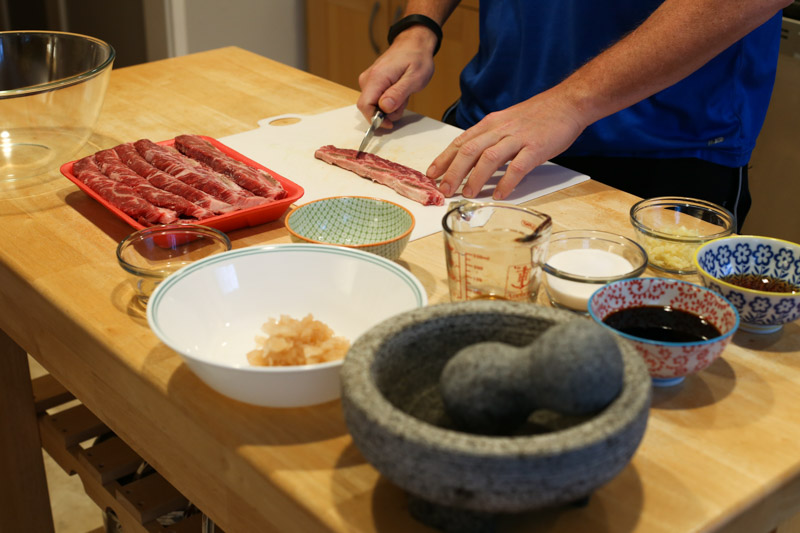
Begin by grating the Korean pear and mixing it with the Cheongju (rice wine). Next, make shallow cross-cut slits on the beef short ribs to help the marinade penetrate deeply. Rub the beef ribs thoroughly with the rice wine and pear mixture, allowing them to marinate for 30 minutes while you prepare the remaining sauce components.
- The Tenderizer: Korean pear is essential because it contains natural enzymes that tenderize the meat without turning it mushy, unlike other fruits.
- Mixing the Marinade: While the beef rests, combine the soy sauce, sugar, sesame oil, finely minced onion, and garlic in a separate bowl. Ensure the sugar is fully dissolved before combining it with the ribs.
Step 3: The Marinating Phase
With the beef prepared and the marinade mixed, it is time to combine them for the long soak. This step ensures that every savory, sweet flavor penetrates deep into the meat.
Place the beef ribs into a large container or heavy-duty sealable plastic bag and pour the marinade over them. Ensure all ribs are well coated, then place them in the refrigerator to marinate overnight, or for a minimum of 4 hours.
- Why Overnight? Allowing the ribs to marinate for at least 8 hours gives the flavors ample time to mingle with the beef, resulting in a much more complex taste profile.
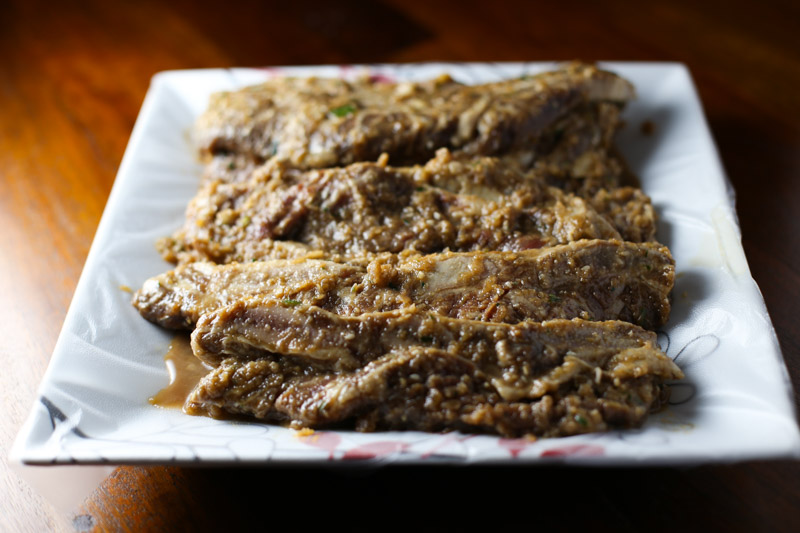
- The Result: The ribs will look like this when they come out of the marinade…
Step 4: BGE Setup and The Cook
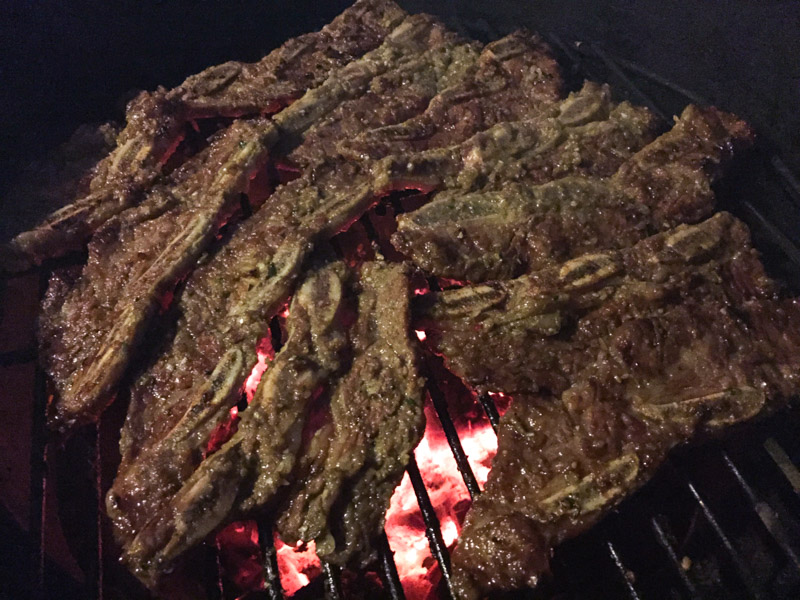
Now that the ribs have absorbed all those wonderful flavors overnight, it is time for the fire. For Kalbi, we need high, direct heat to get a fast sear and caramelization on the marinade without overcooking the meat.
Set up your Big Green Egg for direct grilling and preheat it to 450°F. Once the grill is hot, place the marinated ribs on the grate and cook for 5 minutes.
- High Heat is Key: The high temperature of 450°F is necessary to caramelize the sugar in the marinade quickly. This creates a deep brown color and intense flavor.
- Watch for Flare-ups: The fat on the short ribs combined with the oil in the marinade can cause flare-ups. Keep a close eye on the grill and move the ribs to a cooler spot on the grate if needed.
Step 5: The Finish and Serving Suggestions
The final step is all about getting that perfect caramelization and allowing the meat to rest so it stays juicy.
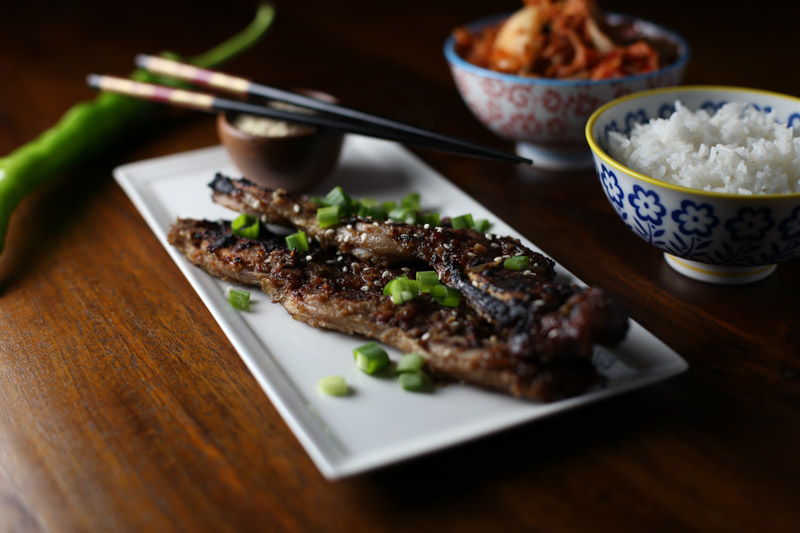
Flip the ribs and cook for another 5 minutes, or until they have developed a deep, dark glaze. Remove the ribs from the Big Green Egg and let them rest on a cutting board for 10 minutes.
- Finishing Touches: Once rested, sprinkle the ribs with freshly ground black pepper, toasted sesame seeds, and thinly sliced green onions for a pop of color and flavor.
- Serving: For the authentic experience, serve the Kalbi hot with a side of steamed white rice (Bap) and various Korean side dishes (Banchan), such as kimchi or pickled vegetables.
Why This Kalbi Recipe is a Winner
This Authentic Korean Kalbi Short Ribs on the Big Green Egg recipe is a winner because it perfectly balances sweet and savory flavors with a smoky depth that only a ceramic grill can provide. The combination of the tenderizing Korean pear marinade and the high-heat searing technique creates a texture and flavor profile that rivals any Korean BBQ restaurant. It is a fantastic dish for entertaining because the majority of the work is done in the marinade, making the actual cook quick and straightforward.
Common Questions About Making Kalbi:
- What kind of beef is best for Kalbi?
- You need Korean-style beef short ribs, which are cut thin across the bone (flanken-cut). This cut allows the meat to cook rapidly while soaking up the marinade efficiently.
- Can I use a regular grill instead of a BGE?
- Yes, but the Big Green Egg excels because it holds high, consistent heat and imparts a subtle smokiness that elevates the flavor. If using a gas grill, ensure you get it very hot (around 450°F).
- Is the Korean pear necessary?
- For the best results, yes. Korean pears contain enzymes that tenderize the meat differently than other fruits, ensuring it is tender but not mushy.
- What should I serve with Kalbi?
- Rice (Bap): Essential for balancing the rich flavors.
- Side Dishes (Banchan): Kimchi, pickled radish, or seasoned spinach are classic pairings.
- Lettuce Wraps (Ssam): Fresh lettuce leaves to wrap the meat, often with a dab of Ssamjang (soybean paste mixture).
Authentic Korean Kalbi Short Ribs on the Big Green Egg
Ingredients
- 2 Lbs King cut, Korean Style Beef Short Ribs
- ½ Korean Pear
- 1 tbsp Cheongju, Korean Rice Wine
- ¼ cup Soy Sauce
- 3 tbsp Sugar
- 2 tbsp Sesame Oil
- ½ Minced Yellow Onion
- 1 tbsp Minced Garlic
- 1 Sliced Green Onion
- ¼ tsp Black Pepper
- 1 tbsp Sesame Seeds
Instructions
- Prepare the Ribs: Grate the Korean pear and mix it with the Cheongju (rice wine). Make shallow cross-cut slits on the beef short ribs to help the marinade penetrate. Rub the ribs thoroughly with the rice wine and pear mixture. Let them rest for 30 minutes.
- Mix the Marinade: While the ribs are resting, mix together the soy sauce, sugar, sesame oil, minced onion, and garlic until the sugar is dissolved.
- Marinate: Place the beef ribs into the marinade and ensure they are well coated. Refrigerate overnight (or at least 4 hours).
- BGE Setup: Set up your Big Green Egg for direct grilling and preheat it to 450°F.
- Cook: Place the marinated ribs on the hot grate and cook for 5 minutes.
- Flip: Turn the ribs over and cook for another 5 minutes, or until deeply caramelized.
- Rest & Serve: Remove the ribs from the Egg and let them rest for 10 minutes. Sprinkle with black pepper, sesame seeds, and green onions before serving.
Nutrition information is automatically calculated, so should only be used as an approximation.