
This post contains affiliate links. Please see our disclosure policy.
If you want to become a better outdoor cook, learning How to Grill by Feel on the Big Green Egg is one of the most important skills you can develop. Great barbecue is not just about timers and temperature charts. It is about learning how to read the fire, trust your senses, and understand what the food is telling you.
Too many people cook with their eyes locked on a thermometer and forget that great grilling is a full sensory experience. Color, texture, smell, sound, and even how the meat feels when you probe it all matter. The best cooks do not just follow numbers. They learn how to react to what is happening in real time.
That does not mean thermometers are useless. They absolutely matter, especially for food safety and consistency. However, relying on numbers alone can keep you from becoming a truly confident pitmaster.
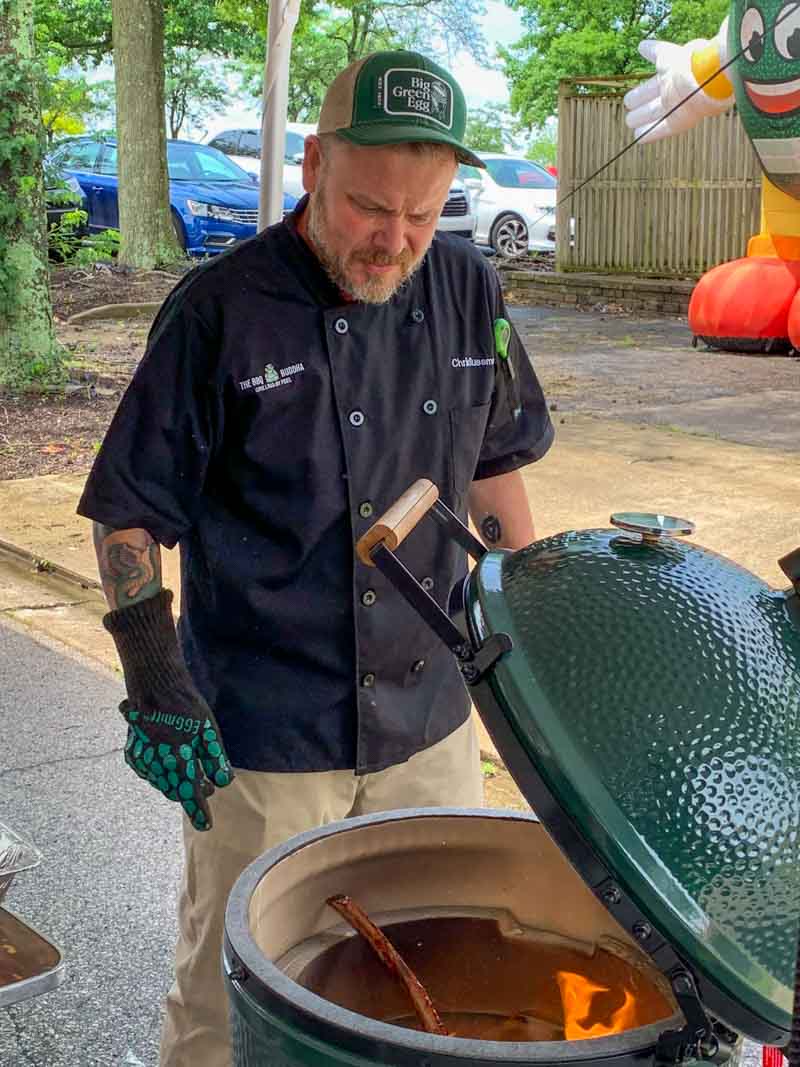
Cooking on the Big Green Egg gives you the perfect environment to learn this skill. The live fire, airflow, smoke, and heat all give you signals if you know what to look for. Once you learn to grill by feel, everything gets better… from steaks and wings to brisket and ribs.
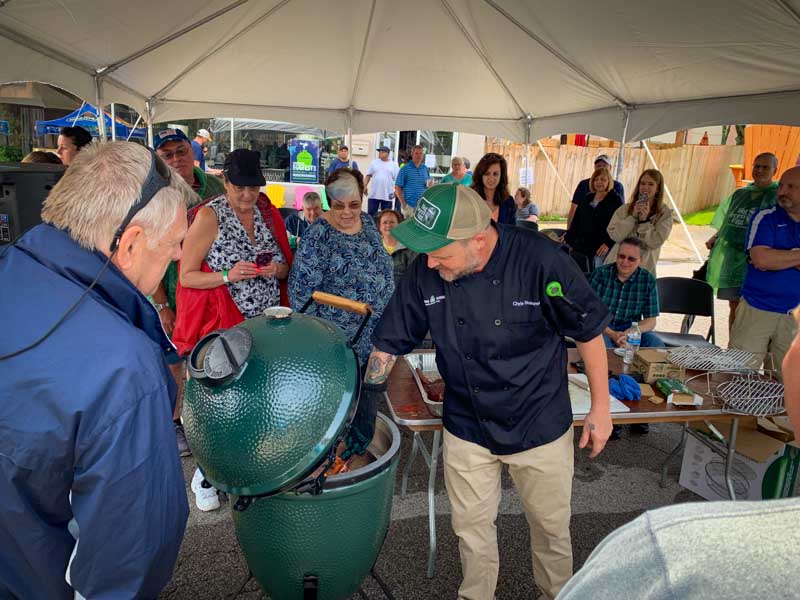
Table of Contents
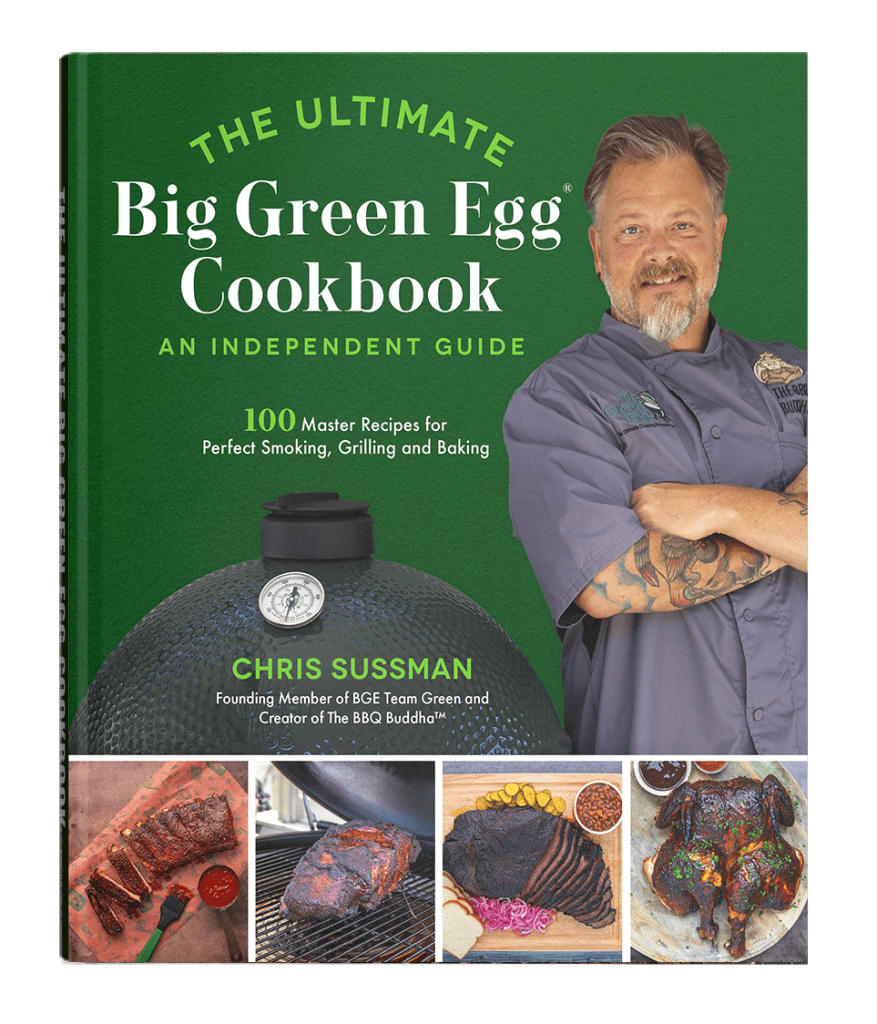
Get My NEW Book
The Ultimate Big Green Egg Cookbook
What Does Grilling by Feel Actually Mean?
Grilling by Feel™ means using your senses to guide the cook instead of relying only on time and temperature. It is about learning how food looks, smells, sounds, and feels as it moves from raw to perfectly cooked.
Most beginners want exact answers. They ask how many minutes per side or what exact internal temperature guarantees success. While those numbers help, they are only part of the story. Two steaks cooked at the same temperature can finish very differently depending on thickness, fat content, grill setup, and airflow.
That is where experience takes over. You start noticing when chicken skin tightens and turns crisp. You see when ribs develop the right bark. You feel when a brisket probe slides in like warm butter. Those signals tell you more than a timer ever will.
Grilling by feel does not mean guessing. It means paying attention. You still use tools like thermometers, but they support your instincts instead of replacing them.
The goal is simple. You want to stop cooking by panic and start cooking with confidence. Once that shift happens, the Big Green Egg becomes a much better tool and every cook gets easier.
Why Temperature Still Matters
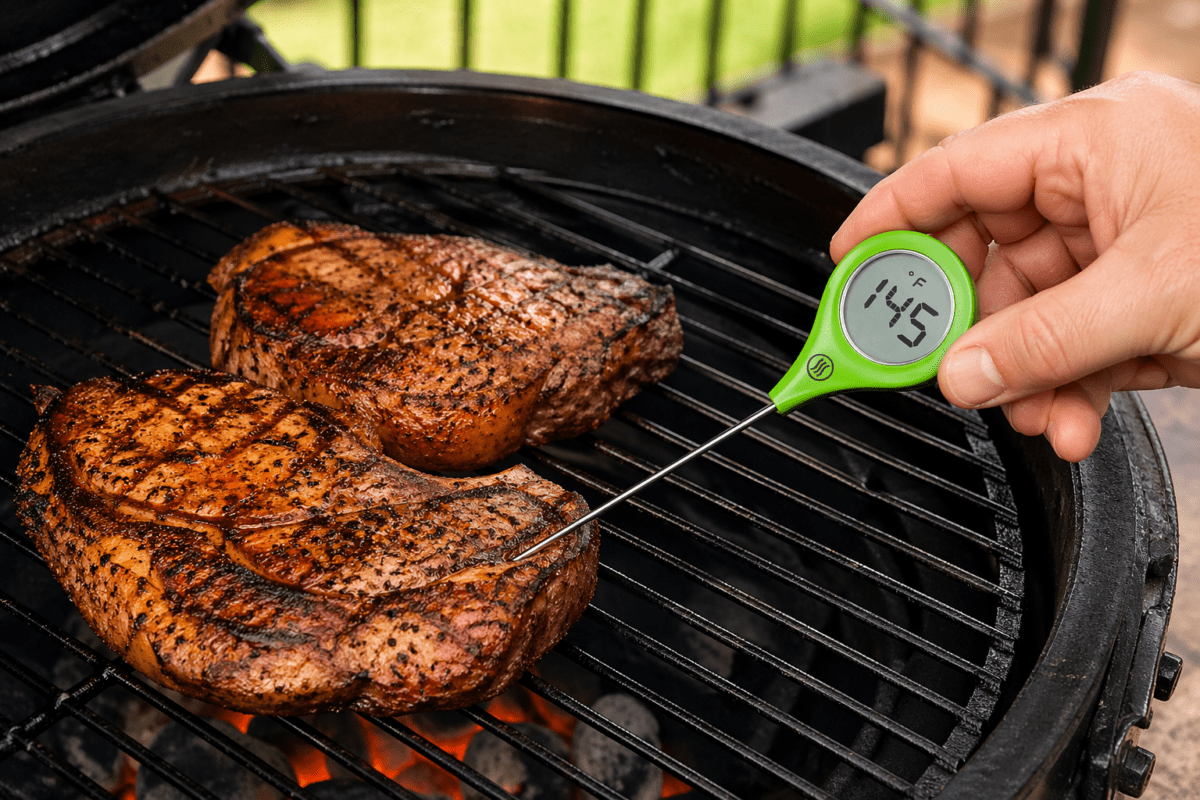
Grilling by feel does not mean ignoring temperature. That is where a lot of people get it wrong. Cooking by feel and cooking with a thermometer should work together, not against each other.
Temperature gives you consistency and food safety. You should absolutely know the target internal temperature for chicken, pork, steak, and larger cooks like brisket or pork shoulder. Pulling chicken too early is risky. Overcooking pork chops dries them out fast.
However, temperature alone does not tell the full story. A brisket can hit the “right” number and still feel tough. A steak can be at medium rare internally but still lack the crust you want on the outside. That is why numbers should guide you, not control the entire cook.
For example, I use temperature as a checkpoint, not the finish line. If a pork butt hits 203°F but still feels tight when I probe it, it is not done. If a steak hits target temp but needs another minute for better crust, I trust what I see.
The best cooks use both. They know the numbers, but they also trust the fire, the texture, and the visual signs happening on the grill. That balance is where confidence starts.
Learning to Use Your Senses
One of the biggest shifts in becoming a better grill cook is learning to trust your senses. The Big Green Egg gives you constant feedback if you slow down enough to notice it.
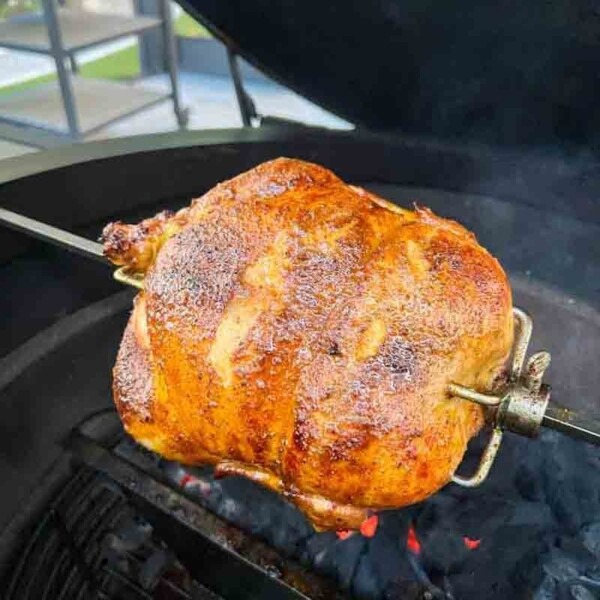
First, use your eyes. Look for color, bark, and crust. A steak should develop a deep sear, not a pale gray surface. Chicken skin should tighten and turn golden, not look soft and rubbery. Ribs should build a rich bark and start pulling back from the bone.
Next, pay attention to touch. When you probe a brisket, it should slide in with very little resistance, like warm butter. A pork chop should feel firm but still have a little give. Even burgers tell you a lot just by how they respond to the press of a spatula.
Sound matters too. A good sear has a steady, confident sizzle. If the grill goes silent, your heat may be too low. If everything is aggressively popping and burning, your fire may be too hot. Your ears can tell you a lot before your thermometer does.
Finally, trust your nose. Clean smoke smells rich and slightly sweet. Dirty smoke smells harsh and bitter. Rendered fat, caramelizing rubs, and finished bark all give off signals when food is close to done.
These details sound small, but they are what separate cooking from reacting. Once you start paying attention, the grill starts talking back.
Why Timing Alone Is a Mistake
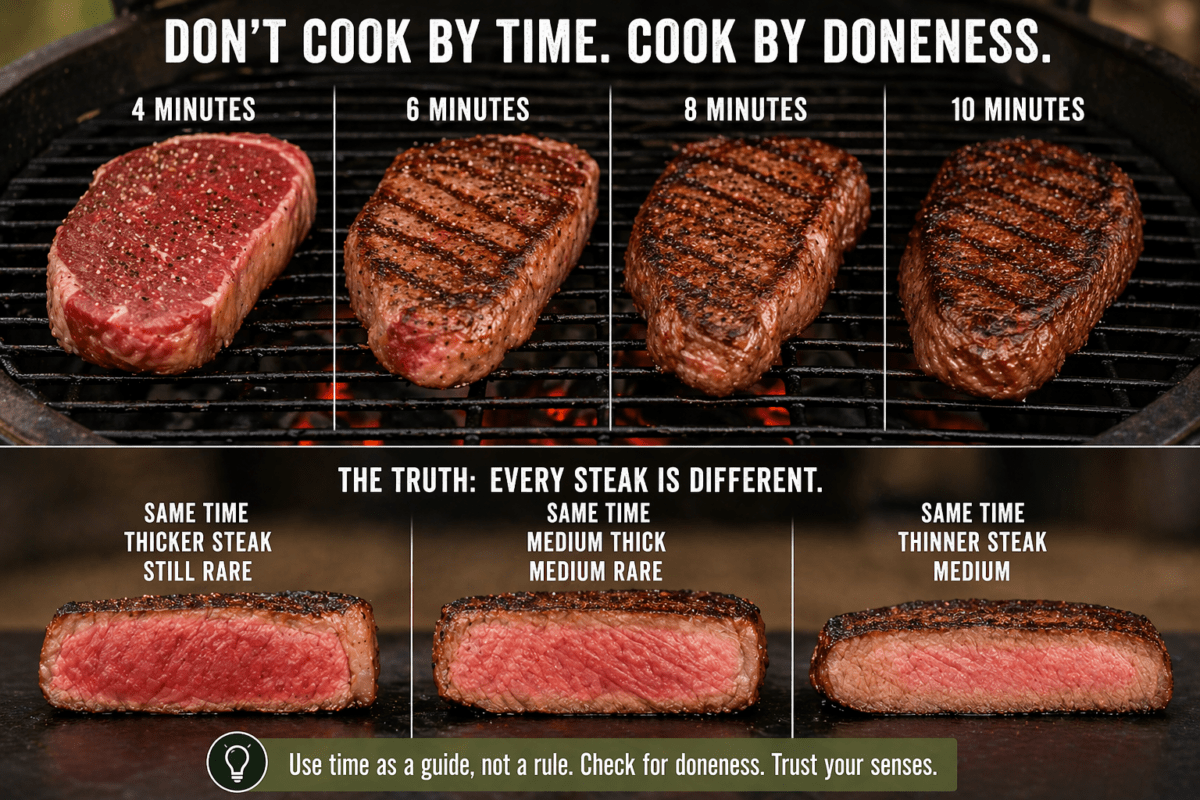
One of the biggest mistakes beginners make is cooking by the clock. They want to know exactly how many minutes per side, how long a pork butt takes, or when ribs should be finished. The problem is, the grill does not care about your timer.
Every cook is different. Weather changes. Wind changes. Lump charcoal burns differently. Meat thickness changes. Even two steaks cut from the same pack can cook at different speeds.
That is why “cook for 6 minutes per side” is not real barbecue advice. It is only a rough starting point. If you follow time alone, you will either pull food too early or leave it on too long.
Instead, use time as a guide, not a rule. Start checking earlier than you think you need to. Watch the color. Feel the texture. Check the internal temperature. Let the food tell you where it is.
This matters even more on the Big Green Egg because ceramic cookers hold heat so well. A small change in airflow or dome temperature can affect the cook more than people realize.
Good cooks stop asking, “How much longer?” and start asking, “What is the food telling me right now?” That is the real shift.
Common Mistakes Beginners Make
Most grilling mistakes do not come from bad recipes. They come from rushing, overreacting, and not paying attention to the basics.
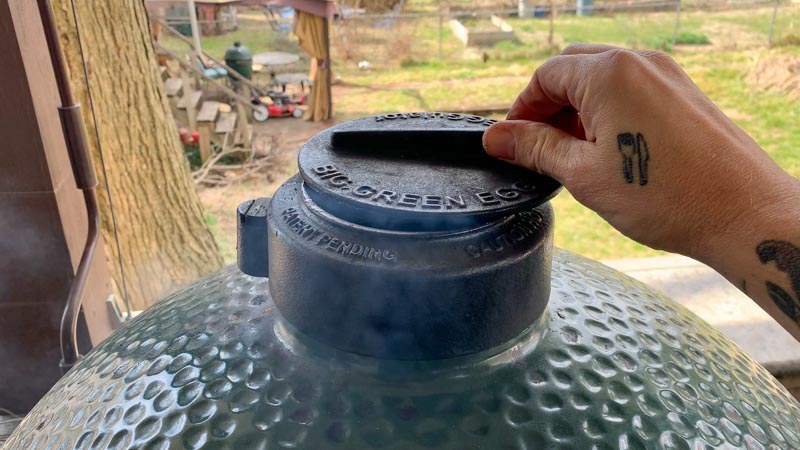
The first mistake is opening the lid too often. Every time you lift the dome on the Big Green Egg, you lose heat and disrupt airflow. People panic, keep checking, and end up making the cook harder than it needs to be.
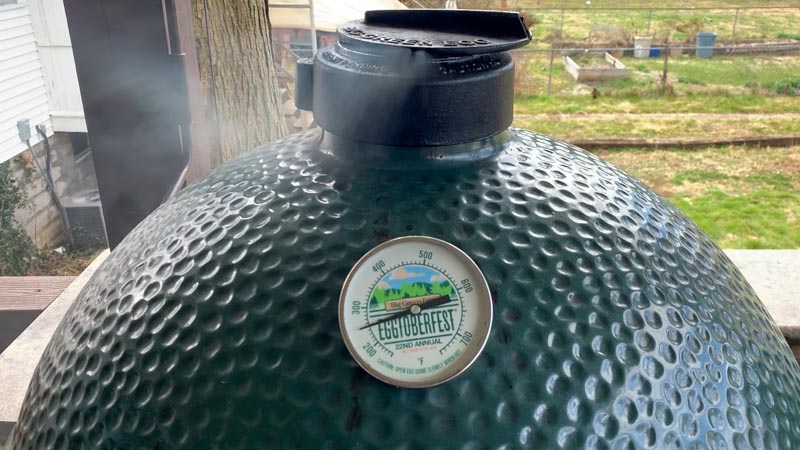
Another common mistake is chasing exact temperatures too aggressively. If your target is 250°F, you do not need to panic because the dome reads 260°F for ten minutes. Constant vent adjustments usually create bigger problems than small temperature swings.
Many beginners also season too lightly. Especially with steaks, pork chops, and larger cuts, under-seasoning leads to bland food and weak bark. Be generous and let the fire do its job.
Another big one is pulling food based only on time. Six minutes per side means nothing if the steak is thicker, the weather changed, or your fire is running differently. Time is a guide, not a guarantee.
Finally, people forget to rest the meat. You spend all that time building flavor and then slice too early. Let steaks, pork chops, and larger cuts rest so juices stay where they belong.
Most of the time, better barbecue does not come from doing more. It comes from doing fewer things better and paying closer attention.
Final Thoughts on Grilling by Feel
Learning how to grill by feel on the Big Green Egg changes the way you cook. It moves you from following instructions to actually understanding what is happening on the grill.
Recipes, timers, and thermometers all have their place. They help build consistency and confidence, especially when you are learning. However, the best cooks do not stop there. They learn to trust their eyes, their hands, their nose, and the sound of the fire.
That is where real confidence comes from. You stop asking if the food is done and start knowing. You notice the bark on ribs, the feel of a perfectly cooked steak, and the clean smell of good smoke before a thermometer ever confirms it.
The Big Green Egg is one of the best tools for learning this because it gives constant feedback. The fire talks to you if you pay attention. Once you learn how to listen, every cook gets better.
So yes, use your thermometer. Know your temperatures. But do not let numbers be the only thing guiding the cook. Trust the process, trust your senses, and let experience teach you what great barbecue really feels like.