
This post contains affiliate links. Please see our disclosure policy.
Mastering a classic steakhouse staple like an Individual Beef Wellington on the Big Green Egg: A Gourmet Guide requires a delicate balance of high-quality protein and perfectly timed indirect heat. While many pitmasters associate ceramic grills primarily with low and slow barbecue, learning how to bake a flaky, golden puff pastry proves that your kamado is a world-class outdoor oven. This recipe remains a favorite for special occasions because the beef tenderloin absorbs a faint hint of charcoal flavor that you simply cannot replicate in a standard kitchen. You should focus on achieving a hard sear on the beef first to lock in the juices before wrapping it in the delicate layers of prosciutto and duxelles. By leveraging the superior heat retention of your Big Green Egg, you can transform a simple filet into a sophisticated masterpiece that rivals any fine-dining establishment.
The secret to a successful individual Wellington lies in the preparation of the mushroom duxelles and the moisture barrier provided by the ham. You should expect a rich, earthy flavor profile that complements the buttery texture of the puff pastry and the tenderness of the beef. Because the Big Green Egg heats up so efficiently, this technique allows you to maintain a precise baking environment without the fluctuations often found in standard household appliances. You will find that using an indirect setup provides the best surface for browning the pastry evenly on all sides. Prepare your ingredients and stabilize your vents. Follow our definitive guide for the ultimate Individual Beef Wellington on the Big Green Egg.
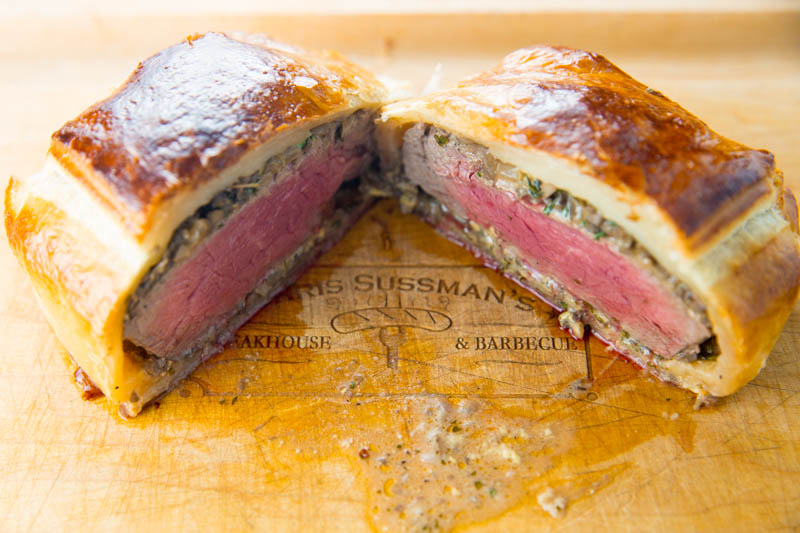
Table of Contents
- Step 1: Selecting the Perfect Cuts of Beef Tenderloin
- Step 2: Preparing and Sautéing the Mushroom Duxelles
- Step 3: Searing the Filets and Rapid Cooling
- Step 4: Assembling the Individual Beef Wellington
- Step 5: The Indirect Big Green Egg Bake
- Step 6: Brushing the Egg Wash and the Final Bake
- Step 7: The Final Rest and Serving
- Final Thoughts: Steakhouse Elegance in Your Backyard
- Individual Beef Wellington on the Big Green Egg: A Gourmet Guide Recipe
Get My NEW Book
The Ultimate Big Green Egg Cookbook
Step 1: Selecting the Perfect Cuts of Beef Tenderloin
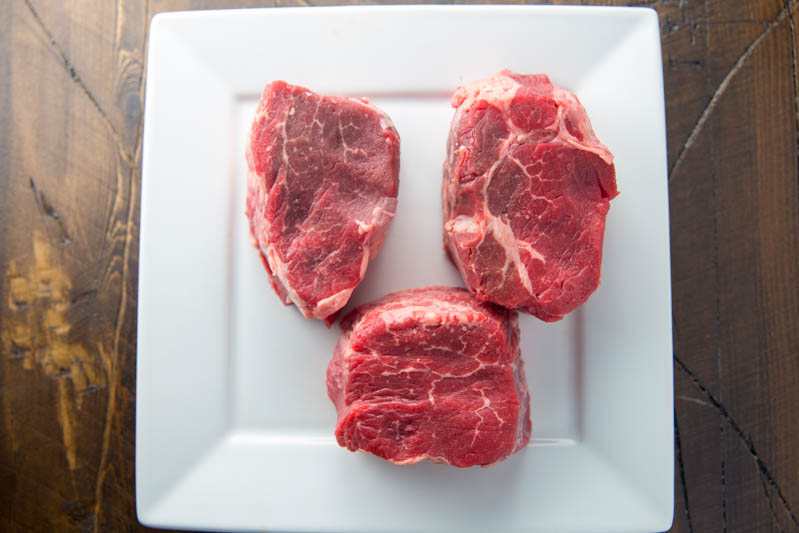
Creating a professional-grade Wellington starts with selecting the highest quality protein available at your local butcher. You should begin by choosing two center-cut beef tenderloin steaks, commonly known as Filet Mignon, for your individual portions. This process provides a uniform shape that ensures the beef and the pastry cook at the same rate inside the Big Green Egg. You will find that a thickness of approximately one and a half to two inches allows for a substantial sear while maintaining a tender, ruby-red center.
To achieve the best results, you must focus on the lean yet buttery texture that makes this cut world-famous. You should look for steaks with minimal external fat but plenty of fine internal marbling to enhance the richness of the final dish. This technique allows the meat to remain incredibly succulent while it finishes baking inside the puff pastry shell. Because the tenderloin is a delicate muscle, it responds perfectly to the clean, wood-fired environment of a ceramic grill. This process ensures that your Individual Beef Wellington begins with a foundation of steakhouse-quality excellence. Once you have selected your filets, you should prepare them for a high-heat sear to lock in the flavor.
Step 2: Preparing and Sautéing the Mushroom Duxelles
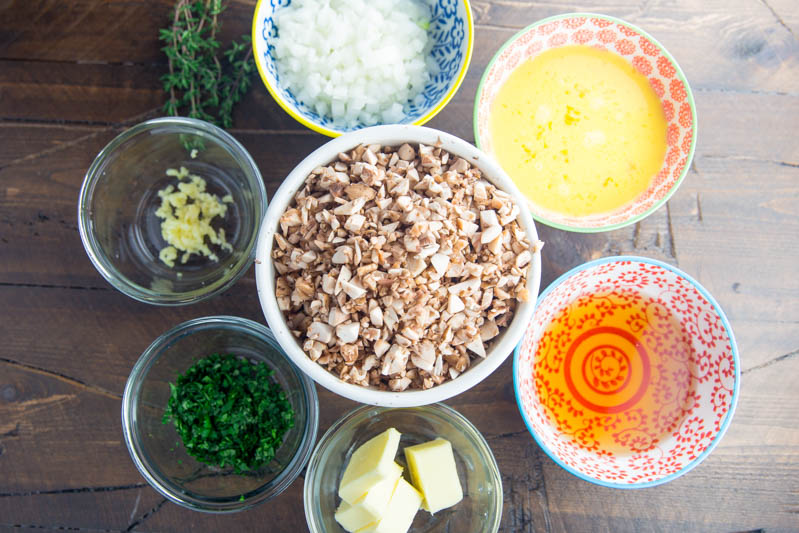
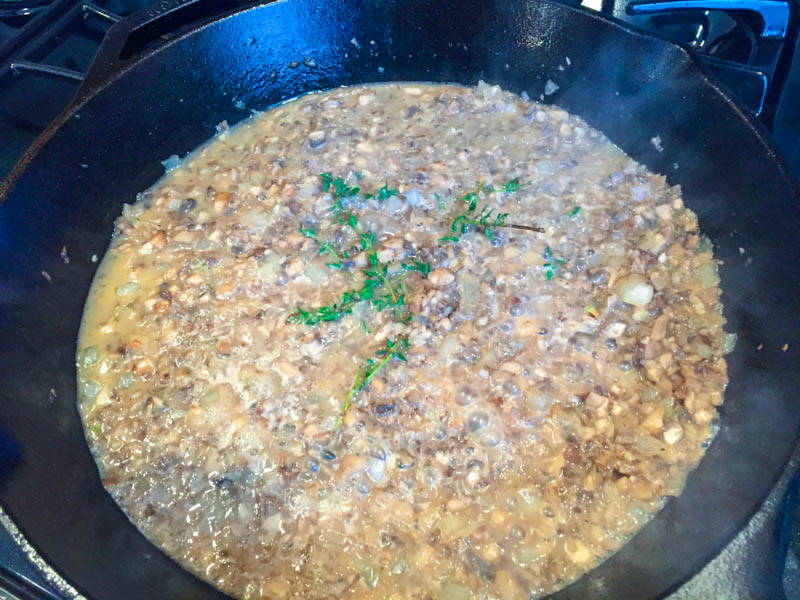
Mastering a professional-grade Wellington requires a flavorful moisture barrier that enhances the richness of the beef. While many traditional recipes incorporate a layer of pâté, you should instead focus on creating a high-quality Mushroom Duxelles. This process provides a deeply earthy and savory component that complements the tenderloin without the heavy metallic notes of offal. You will find that this finely chopped mushroom mixture acts as a sponge, absorbing the juices from the meat while keeping the puff pastry crisp.
To achieve the best texture, you should begin by sautéing 6 ounces of finely chopped baby bella mushrooms with 1/3 cup of sweet onion and a minced clove of garlic in unsalted butter. You must cook this mixture over medium-high heat with a sprig of fresh thyme, kosher salt, and freshly ground pepper until the liquid has evaporated. This technique ensures that your Individual Beef Wellington maintains a flaky outer shell by eliminating any steam that could soften the pastry from the inside. Because you deglaze the pan with 1/4 cup of dry sherry and finish with fresh parsley, the duxelles develops a sophisticated and concentrated depth of flavor. This process allows the intense mushroom essence to become the primary seasoning for your beef tenderloin. Once the mixture is dark and holds its shape, you should remove it from the heat to cool completely.
Step 3: Searing the Filets and Rapid Cooling
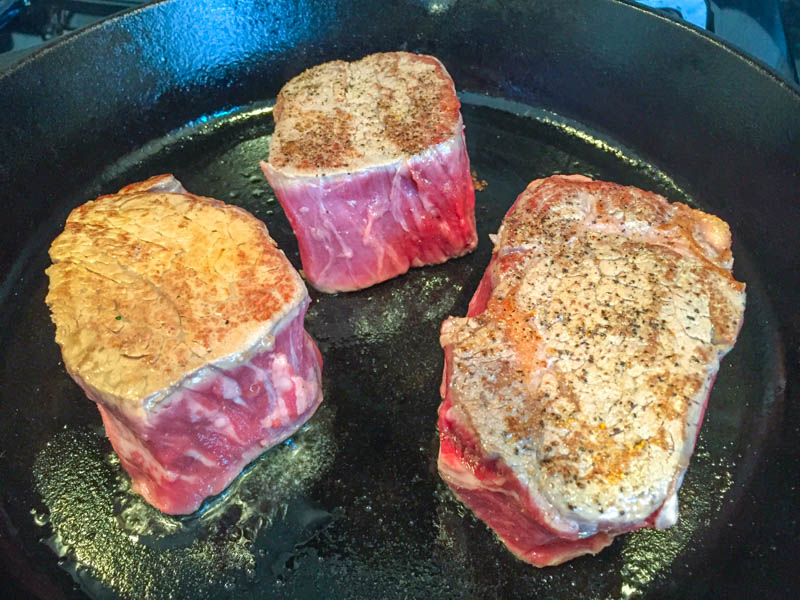
Achieving a professional-grade crust on your beef tenderloin requires an intense, high-heat sear before it ever meets the puff pastry. You should start by heating a heavy skillet with a tablespoon of vegetable oil until it reaches its smoking point. This process provides a way for the exterior of the Filet Mignon to develop a deep, mahogany color and a savory crust. You will find that a rapid sear is the most effective method for locking in the natural juices of the meat.
To ensure the best results, you must sear the beef on all sides, including the edges, to get a nice color and uniform texture. You should spend only about sixty to ninety seconds per side to avoid cooking the interior of the steak past a rare state. This technique ensures that your Individual Beef Wellington stays perfectly medium-rare during the final baking stage on the Big Green Egg. Because the puff pastry is sensitive to heat, you must place the seared meat in the freezer immediately to cool rapidly. This process stops the carryover cooking and prepares the filets for a tight wrap with the mushroom duxelles and the Dijon mustard. Once the beef is cold to the touch, you should proceed to the assembly phase.
Step 4: Assembling the Individual Beef Wellington
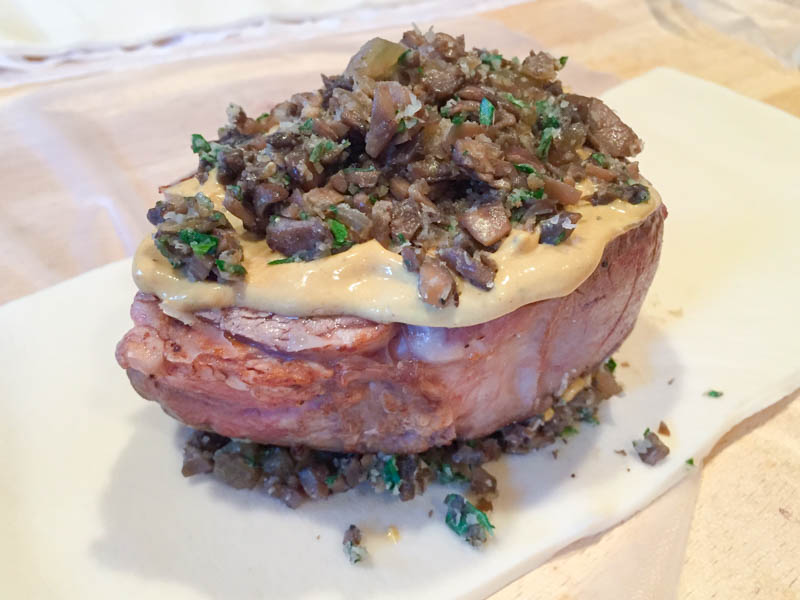
Achieving a professional-grade presentation requires you to work with cold ingredients to maintain the structural integrity of the dough. You should start by ensuring that both your seared filets and the mushroom duxelles have cooled completely before you begin the assembly. This process provides a way for the Individual Beef Wellington to hold its shape during the final high-heat bake on the Big Green Egg. You will find that chilled components prevent the buttery layers of the pastry from melting prematurely.
To build the perfect wrap, you must lay out a half sheet of puff pastry dough on a lightly floured surface for each portion. You should begin by spreading a thin layer of the savory duxelles onto the center of the pastry followed by a generous coating of Dijon mustard on the meat. This technique ensures that your beef stays seasoned and juicy while the pastry creates a crisp, golden protective shell. Because you utilize a smaller sheet of dough, the final wrap remains light and avoids an excess of heavy, doughy layers at the base. This process allows the flavors of the sherry and thyme to meld directly with the beef tenderloin as it roasts. Once you have tightly sealed the edges with a bit of egg wash, you should prepare your grill for the indirect bake.

Step 5: The Indirect Big Green Egg Bake
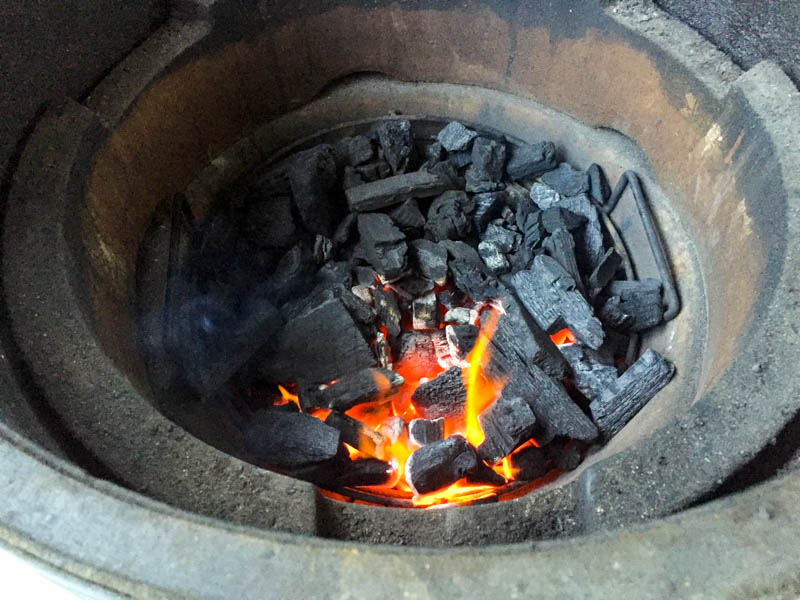
Achieving a professional-grade, golden crust on your pastry requires a stable and well-circulated heat environment. You should start by preheating the Big Green Egg to a dome temperature of 425°F for a consistent bake. This process provides a way for the intense ceramic heat to crisp the puff pastry without overcooking the delicate beef tenderloin inside. You will find that maintaining this precise temperature is the most critical element for ensuring a flaky and light result.
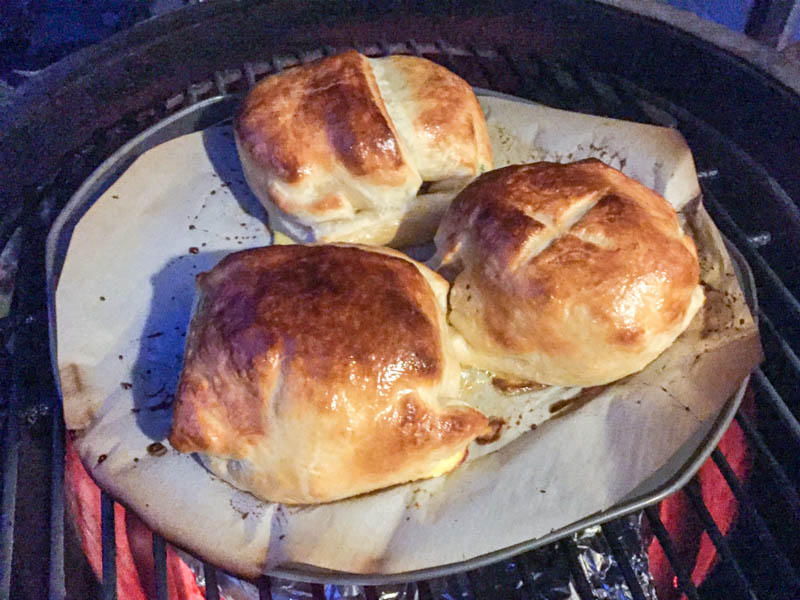
To manage the heat effectively, you must utilize a specialized setup to block the direct flames from the charcoal. For this specific cook, you should insert a ConvEGGerator to configure the Egg for indirect grilling. This technique allows the convection currents to swirl around the Individual Beef Wellington like a high-end steakhouse oven. You should place your prepared bundles on a parchment-lined baking sheet or directly on the raised grid to ensure even browning on all sides. Because the indirect heat provides a gentle yet powerful environment, the pastry can expand and develop its signature layers. This process ensures that your gourmet meal benefits from the clean, wood-fired essence of the charcoal. Once the pastry reaches a deep golden brown, you should prepare to pull the Wellingtons for a short rest.
Step 6: Brushing the Egg Wash and the Final Bake
Achieving a professional-grade, golden sheen on your pastry requires a final touch of moisture just before the bake. You should start by removing your wrapped beef from the freezer once the Big Green Egg is preheated and the temperature has stabilized. This process provides a way for the cold dough to hit the hot air of the grill for a maximum rise and a flaky texture. You will find that a chilled Wellington responds best to the intense convection of the ceramic cooker.
To ensure a brilliant and deep golden color, you must brush an egg wash evenly over the top of the dough. You should place your prepared bundles on a baking pan lined with parchment paper to prevent the bottom from sticking during the cook. This technique ensures that your Individual Beef Wellington maintains a beautiful appearance from the top to the base. Because you utilize indirect heat, you should let them cook for 20 to 30 minutes or until they measure 130°F internally for a perfect Medium Rare. This process allows the heat to penetrate the thick tenderloin while the puff pastry finishes to a crisp, savory shell. Once the internal temperature reaches its target, you should remove the pan from the grill immediately.
Step 7: The Final Rest and Serving
Achieving a professional-grade steakhouse finish requires patience once the baking process is complete. You should start by pulling your Individual Beef Wellington off the Big Green Egg as soon as the meat measures to the correct temperature. This process provides a way for the internal juices to redistribute throughout the filet while the puff pastry sets into its final, crisp shape. You will find that an instant-read thermometer is the most reliable tool for ensuring a perfect result every time.
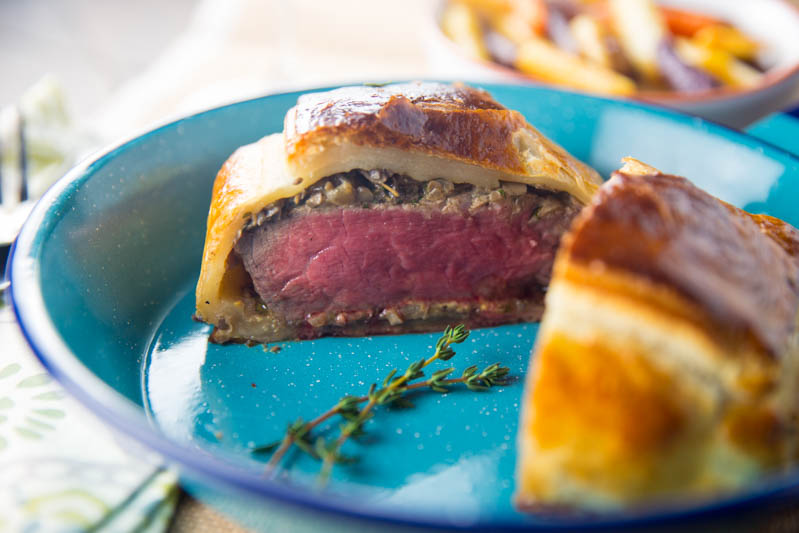
To maintain the integrity of the crust, you must let your Wellingtons rest on a wire rack for exactly 10 minutes. You should avoid placing the hot pastry directly on a flat plate or a wooden board where steam can collect and soften the base. This technique ensures that your gourmet creation remains flaky and audible with every cut. Because the residual heat continues to cook the beef slightly during this period, the center will reach its peak tenderness and a beautiful ruby-red hue. This process allows the rich mushroom duxelles and the Dijon mustard to meld into a savory coating that clings to the steak. Once the resting period is over, you should prepare to serve this masterpiece with a side of roasted asparagus or a smooth potato purée. Enjoy!

Final Thoughts: Steakhouse Elegance in Your Backyard
Mastering a professional-grade Individual Beef Wellington on the Big Green Egg proves that your ceramic grill is far more than just a smoker. You should embrace the challenge of balancing the high-heat sear with the delicate, indirect baking environment to achieve this gourmet result. This process provides a way for you to serve a five-star meal that features a clean, wood-fired essence that no indoor oven can replicate. You will find that the contrast between the buttery puff pastry and the earthy mushroom duxelles creates a sophisticated flavor profile for any special occasion. Because you followed this definitive guide, your beef tenderloin remains succulent and perfectly medium-rare every single time.
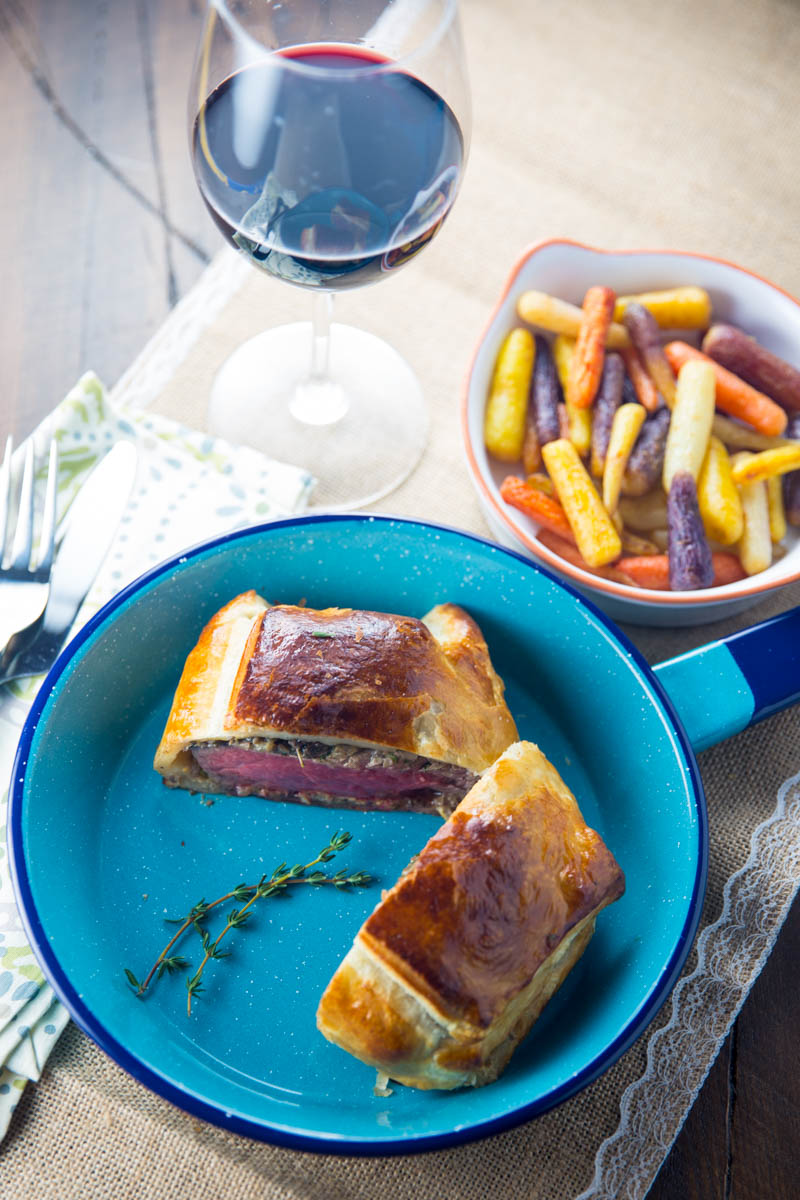
To complete your backyard steakhouse experience, you must consider the proper accompaniments to balance the richness of the pastry. You should serve these Wellingtons with a side of roasted asparagus or garlic mashed potatoes to provide a fresh and creamy counterpoint. This technique ensures that your Individual Beef Wellington remains the star of the plate while the vegetables offer a bright acidity. Because the sherry-infused mushrooms provide a deep umami, a simple red wine reduction or a drizzle of peppercorn sauce makes for an excellent finishing touch. This process allows the vibrant flavors of the beef and the savory crust to shine through until the very last bite.
People Also Ask (PAA)
- How do I prevent a soggy bottom on my Beef Wellington? You must cook your mushroom duxelles until all moisture has evaporated and the mixture reaches a thick, paste-like consistency. Resting the meat on a wire rack after the bake also prevents steam from softening the base of the pastry.
- Can I prepare Beef Wellington ahead of time? You should assemble the Wellingtons and keep them in the refrigerator for up to four hours before baking. This process helps the dough stay cold, which ensures a better rise and a flakier texture once it hits the hot grill.
- What is the best internal temperature for Beef Wellington? You should pull the beef off the grill when it measures 130°F on an instant-read thermometer for a perfect medium-rare. The carryover cooking during the ten-minute rest will bring the meat to its final, tender state.
Individual Beef Wellington on the Big Green Egg: A Gourmet Guide
Ingredients
- 2 2 ½-to-3-inch-tall pieces beef tenderloin, filet mignon, about ¾ pound
- 1 tbsp vegetable oil
- 3 tbsp unsalted butter
- 6 ounces finely-chopped baby bella mushrooms
- 1/3 cup finely-chopped sweet onion
- 1 large clove garlic, minced
- ½ tsp kosher salt, or more to taste
- Freshly-ground pepper, to taste
- ¼ cup dry sherry
- 1 large sprig fresh thyme
- 1 tbsp chopped fresh parsley
- 1 sheet, 1/2 box puff pastry
- 1 tbsp Dijon mustard
- Egg wash, 1 beaten egg + 1 tablespoon milk
Instructions
- Step 1: Prep the Duxelles Sauté the finely chopped mushrooms, sweet onions, and minced garlic in unsalted butter over medium-high heat. You must add the fresh thyme, salt, and pepper to build a savory foundation for the beef. This process provides a way for the moisture to evaporate completely until the mixture becomes a thick paste. Because you deglaze the pan with dry sherry and finish with fresh parsley, the duxelles develops a concentrated and sophisticated flavor profile.
- Step 2: The High-Heat Sear Heat the vegetable oil in a heavy skillet until it reaches its smoking point to prepare the beef. You should sear the Filet Mignon on all sides for sixty to ninety seconds to develop a deep, mahogany crust. This technique ensures that the natural juices remain locked inside during the final bake on the Big Green Egg. Because the pastry is sensitive to heat, you must place the seared meat in the freezer to cool rapidly before assembly.
- Step 3: Assembly Spread a thin layer of the cooled mushroom duxelles onto a half sheet of puff pastry for each portion. You should coat the cold beef filets in Dijon mustard before placing them in the center of the mushroom mixture. This process provides a way to wrap the dough tightly around the beef to create a secure and uniform bundle. You will find that using chilled ingredients is the most effective way to maintain the structural integrity of the buttery pastry.
- Step 4: BGE Setup Preheat your Big Green Egg to a dome temperature of 425°F for an indirect grilling environment. You must utilize the ConvEGGerator to block the direct flames and allow the convection heat to circulate evenly. This technique ensures that the puff pastry browns perfectly without overcooking the tenderloin center. Because the ceramic cooker retains heat so efficiently, the cooking environment remains stable throughout the entire process.
- Step 5: The Bake Brush the top of each dough bundle with the egg wash to achieve a professional-grade, golden sheen. You should place the Wellingtons on a baking pan lined with parchment paper and cook them for 20 to 30 minutes. This process provides a way to monitor the internal temperature until it reaches 130°F for a perfect medium-rare. You will find that the high heat creates a beautiful rise in the pastry while the beef stays succulent.
- Step 6: The Rest Pull the Wellingtons off the grill and let them rest on a wire rack for exactly 10 minutes before serving. This technique allows the juices to redistribute and ensures the bottom of the pastry remains crisp and flaky. Because you followed this definitive guide, the final result features a ruby-red center and a savory, wood-fired crust. You should serve these immediately with your favorite steakhouse sides for the ultimate gourmet experience.
Nutrition information is automatically calculated, so should only be used as an approximation.