
This post contains affiliate links. Please see our disclosure policy.
You do not always need twelve hours and a sleepless night to produce a world-class brisket. If you are short on time but still crave that signature smoke and bark, you should try the Turbo Brisket Flat: The Best Hot and Fast Big Green Egg Recipe. This method allows you to take a lean brisket flat from the butcher block to the dinner table in about five hours.
The secret to this technique lies in the superior heat retention of the ceramic Big Green Egg. While traditional low-and-slow cooks rely on 225°F, we crank the heat up to 350°F to push through the stall with ease. Because the ceramic walls keep the moisture locked inside, the meat remains tender and juicy despite the higher temperature. This recipe proves that you can enjoy high-quality BBQ even on a busy weekend afternoon.
Now, fire up your lump charcoal and follow these steps to master the hot and fast brisket method.
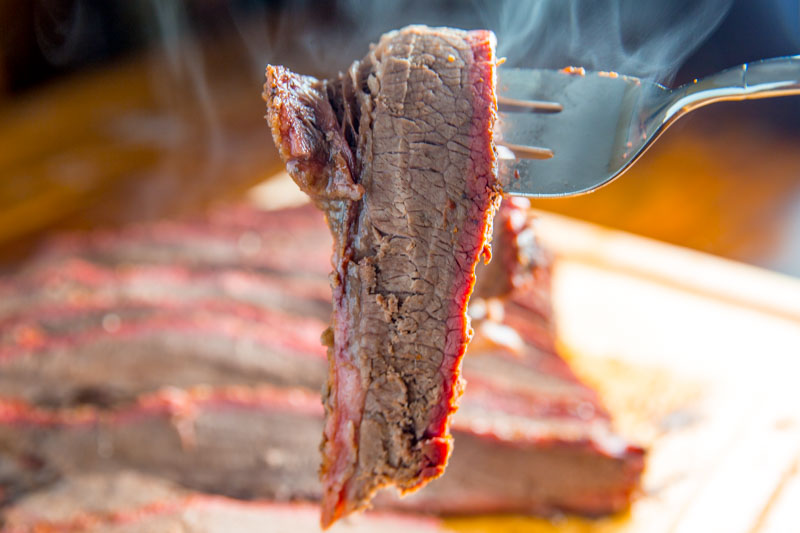
Table of Contents
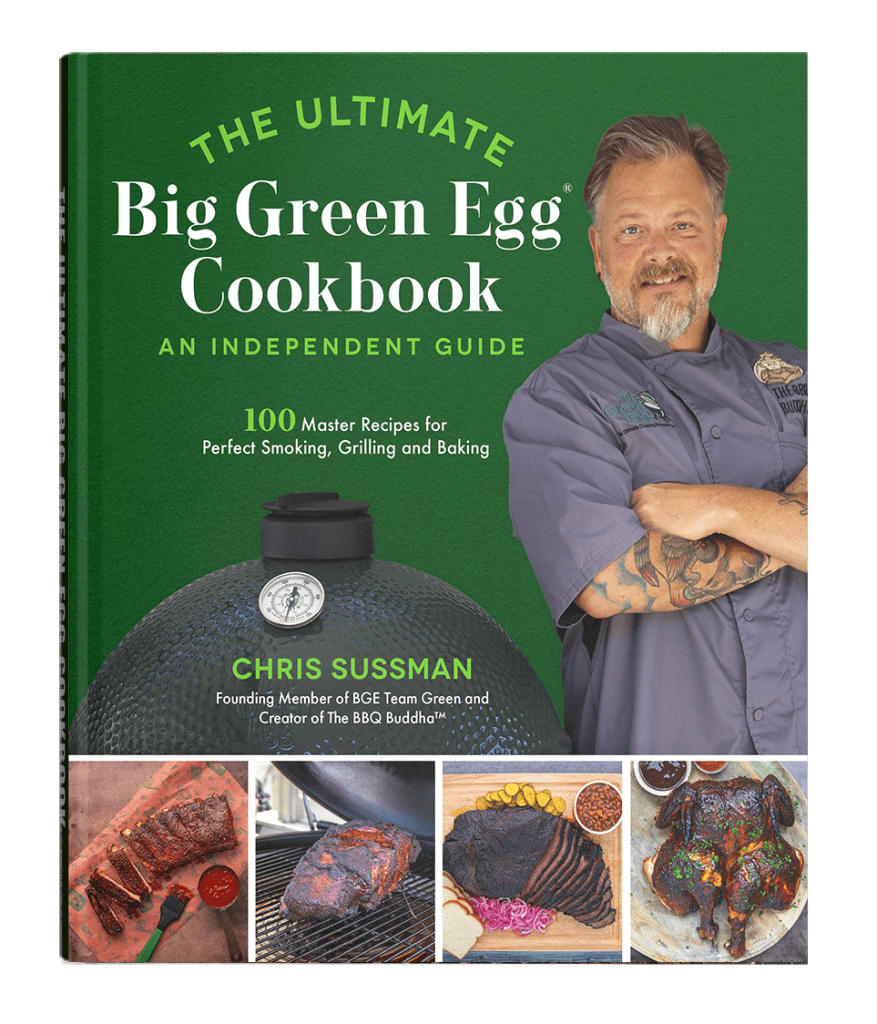
Get My NEW Book
The Ultimate Big Green Egg Cookbook
Selecting the Perfect Brisket Flat
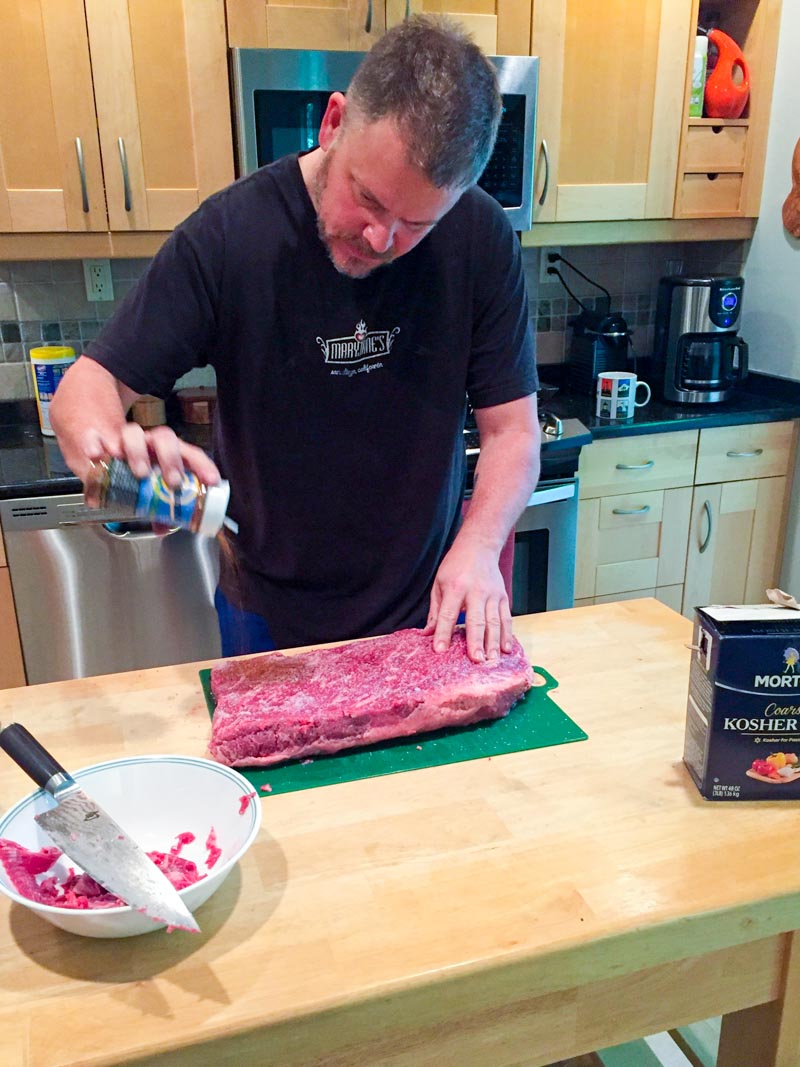
When you are shopping for a hot and fast brisket, finding the right piece of meat is the first step toward success. I found this seven-pound brisket flat at the grocery store this Sunday, and it was a great price for such a solid cut. You should look for a flat that has a consistent thickness from one end to the other. This uniformity ensures that the meat cooks evenly at the higher 350°F temperature of the Big Green Egg.
Pay close attention to the fat cap and the internal marbling. You want a fat cap that is at least a quarter-inch thick because this layer protects the meat from drying out during the intense heat of a turbo cook. Also, look for white flecks of intramuscular fat within the meat itself. Because these fats render down into juice, they provide the flavor and tenderness you need for a world-class result. Finally, give the brisket a “bend test” in the packaging. If the flat is flexible and bends easily, it is a good indicator that the connective tissue will break down beautifully on the grill.

Trimming for Maximum Bark
It is important to trim all the excess fat and the tough silver skin membrane off the side opposing the fat cap. In this way, you expose the raw meat to the salt and rub to help create that delicious, dark crust. This step ensures that every grain of your seasoning sticks directly to the protein rather than a layer of fat that will simply melt away.
When you are cooking at 350°F, the bark forms much faster than it does during a traditional low-and-slow session. Because the meat is fully exposed, the spices can bond with the surface to form a savory mahogany seal. You should also take a moment to square up the edges of the flat. By removing any thin or “raggedy” pieces of meat, you prevent the corners from burning while the rest of the brisket reaches perfection.
Slathering and Seasoning for Texas Flavor
Before you apply your spices, you need a binder to ensure the seasoning stays put during the high-heat cook. I like to use a thin layer of yellow mustard or olive oil as a slather. For this specific cook, I used a personal favorite: Cow Lick from Dizzy Pig BBQ Company. This rub really delivers that down-home Texas-style BBQ flavor we all know and love. Because it has a coarse texture, it stands up beautifully to the intense environment of a hot and fast cook.
If you do not have Cow Lick on hand, you have several excellent alternatives. Popular store-bought options like Killer Hogs TX Brisket Rub or Hardcore Carnivore Black also provide that authentic peppery bite. For those who prefer a DIY approach, you can create a classic Dalmatian Rub right in your kitchen. Simply combine equal parts coarse kosher salt and 16-mesh black pepper. This simple blend allows the natural beef flavor to shine while creating a stunning dark bark on your Big Green Egg.

Setting Up the Big Green Egg for Turbo Brisket
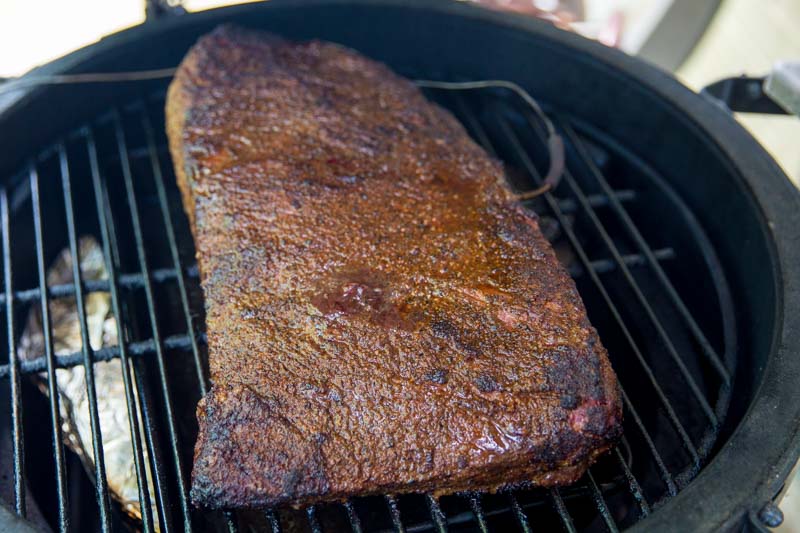
To finish this brisket in just five hours, I had to go “turbo” style with higher heat for a shorter period of time. I preheated the Big Green Egg to 350°F and used the ConvEGGtor (plate setter) for indirect heat. For this cook, I selected pecan wood because it provides a rich, nutty sweetness that complements beef without being overpowering. You should always wait until you see a thin, blue smoke rising from the top of your grill before you begin. This clean smoke ensures that your meat tastes like premium BBQ rather than bitter soot.
Once the temperature stabilized, I placed the brisket on the grate with the fat cap facing down. Placing the fat cap toward the heat source acts as a thermal shield for the lean meat above it. Because we are cooking at a higher temperature, this positioning is vital to keep the flat from drying out. I closed the lid and let the Big Green Egg do the work. This hands-off approach allows the convection within the ceramic dome to build a beautiful bark while the pecan smoke penetrates deep into the grain.
Managing the Stall and the Wrap
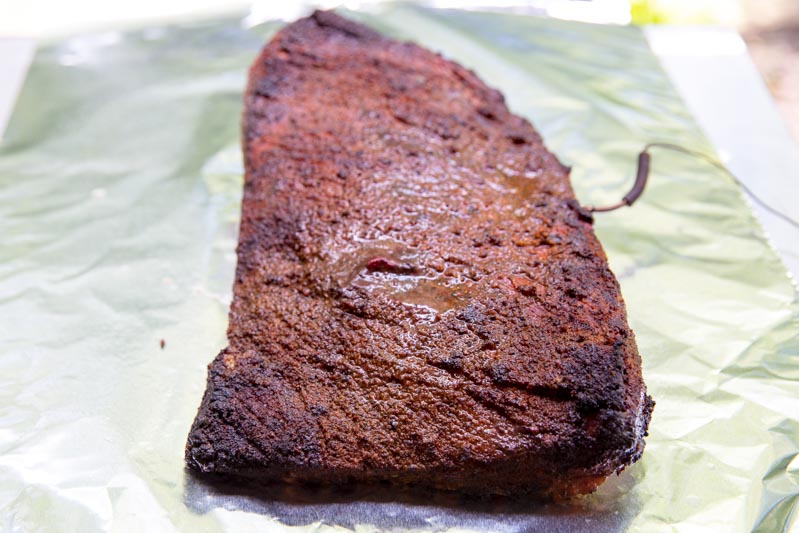
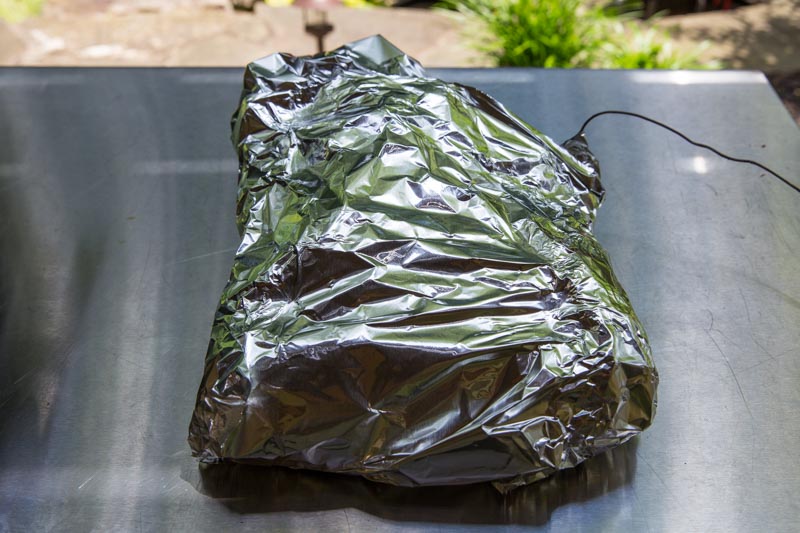
After three hours on the grill, the brisket flat reached an internal temperature of 170°F. This temperature was my specific call to action because it signaled the end of the “stall” period. At this stage, I wrapped the flat tightly in heavy-duty aluminum foil to lock in moisture and accelerate the rendering process. This technique, often called the Texas Crutch, is essential for a successful hot and fast cook. It prevents the surface of the lean flat from becoming too dry while the internal connective tissues continue to break down.
I placed the foiled brisket back into the Big Green Egg for another two hours. Because the foil traps steam, the meat continues to tenderize rapidly in its own juices. I monitored the progress closely until the internal temperature measured 190°F. While many people aim for a higher final number, you should start checking for “probe tenderness” at this point. In a turbo cook, the internal temperature can rise quickly, so staying vigilant ensures you do not overshoot the perfect window of juicy tenderness.
The Fork Test and the Perfect Rest
It is important to note that when your meat measures 190°F, you still need to check for the correct texture. If you pull it too early based on temperature alone, you risk serving a chewy brisket. For this cook, the initial fork test did not signal good results. I was met with significant resistance when pushing a fork into the meat. So, I let the flat cook for another hour until the internal temperature reached 205°F. At that point, my fork met with very little resistance, and I knew it was time to pull the meat from the heat.
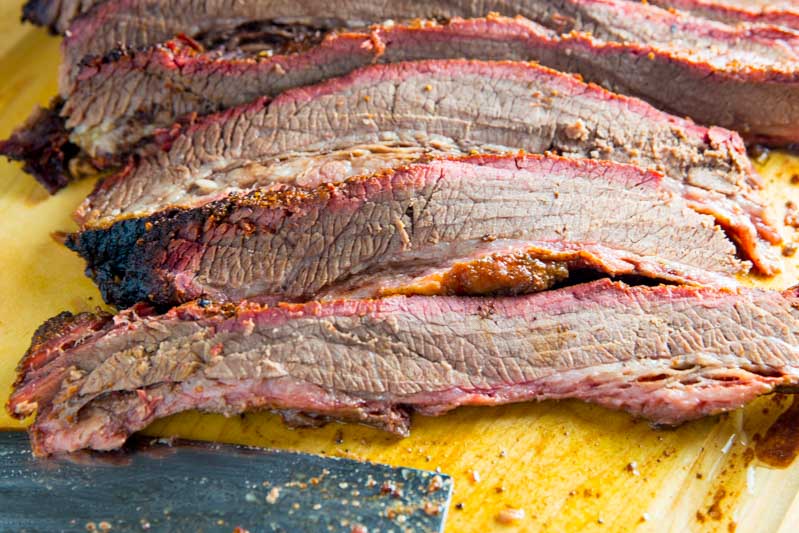
I pulled the brisket while it was still in the foil wrap and then wrapped that entire package in a heavy towel. I placed the meat in a dry cooler (without ice) to allow the juices to redistribute properly. The brisket rested this way for another hour while I enjoyed a cigar and a cold beer. All in all, I was able to smoke this brisket flat and serve it for dinner in under seven hours. Just look at that incredible smoke ring and the juicy texture of the finished slice!
Turbo Brisket Flat: The Best Hot and Fast Big Green Egg Recipe
Ingredients
- 6-8 pounds Brisket Flat
- 2 tbsp Yellow Mustard
- 1/2 cup BBQ Rub, Dizzy Pig Cow Lick or a 50/50 Salt and Pepper blend
Instructions
- BGE Setup: Prepare your Big Green Egg for indirect cooking with the ConvEGGtor and stabilize the temperature at 350°F.
- Clean Smoke: Add several chunks of Pecan wood to the charcoal and wait for a thin, blue smoke to appear.
- Trim & Clean: Remove the silver skin from the top of the flat while leaving a 1/4 inch fat cap on the bottom.
- Slather & Rub: Apply the binder to the entire surface and coat the meat generously with your choice of BBQ rub.
- The Cook: Place the brisket on the grate with the fat cap facing down and close the dome.
- The Stall: Smoke the flat undisturbed for roughly three hours until the internal temperature reaches 170°F.
- The Wrap: Remove the meat and wrap it tightly in a double layer of heavy-duty aluminum foil to lock in moisture.
- The Finish: Return the foiled brisket to the grill and continue cooking until the internal temperature hits 190°F.
- Probe Test: Check for tenderness with a fork or probe and continue cooking if you feel any resistance.
- The Pull: Remove the meat once it reaches a "probe tender" state, typically between 203°F and 205°F.
- The Rest: Wrap the foiled package in a towel and rest it in a dry cooler for at least one hour.
- The Master Slice: Slice the brisket against the grain into pencil-thick strips and serve immediately.
Nutrition information is automatically calculated, so should only be used as an approximation.